
Basement Renovations Tips for Maximizing Space and Value
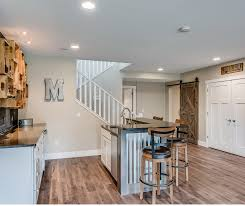
Basement renovations turn underused spaces into valuable, functional areas within a home. Whether the goal is to create an extra bedroom, a home office, or a recreational zone, investing in a basement remodel can significantly increase a property’s living space and overall value. A well-executed basement renovation adds both practical functionality and enhances the home’s market worth.
The process requires thoughtful planning and attention to detail, including budgeting, design, and choosing the right materials and contractors. Homeowners often find inspiration through various remodel ideas tailored to meet specific needs, such as multi-generational living or expanding leisure spaces.
Understanding the costs, timelines, and necessary steps can reduce uncertainty and make the renovation smoother. Practical guidance and clear planning tools help homeowners make informed decisions and achieve a successful outcome.
Planning Your Basement Renovation
A successful basement renovation begins with careful preparation. Defining financial limits, evaluating the current condition, and understanding local construction rules are essential for an efficient project. Each step helps avoid unexpected costs, legal issues, and structural problems.
Setting a Budget
Establishing a budget early in the process guides decision-making and ensures resources align with goals. Costs vary widely depending on the scope: simple finishing, adding plumbing, or creating separate living spaces.
Include these elements in the budget:
- Materials: Flooring, drywall, paint, fixtures
- Labor: Contractors, electricians, plumbers
- Permits: Fees for necessary approvals
- Contingency fund: Usually 10-20% for unexpected expenses
Accurate estimates often require quotes from multiple professionals. Prioritize spending on moisture control and structural repairs to avoid costly damage later.
Assessing Basement Condition
A thorough inspection identifies issues that impact renovation feasibility and costs. Check for moisture, foundation cracks, mold, and insulation quality.
Key points to review:
- Moisture and water damage: Look for leaks, dampness, or efflorescence
- Structural integrity: Examine walls, floors, and support beams
- Ventilation and insulation: Assess airflow and thermal protection
- Electrical and plumbing systems: Determine if upgrades or repairs are needed
Addressing these conditions before construction ensures a safe, durable, and comfortable finished space.
Understanding Local Building Codes
Compliance with municipal regulations prevents legal problems and ensures safety. Building codes cover zoning, fire safety, ceiling height, egress windows, and electrical standards.
Steps to follow:
- Contact the local building department for permit requirements.
- Verify minimum ceiling height and emergency exits for basement use.
- Review rules on insulation, wiring, and smoke detectors.
- Schedule inspections during and after construction.
Following codes protects homeowners and maintains property value, reducing the risk of fines or forced modifications later.
Design and Construction Process
A basement renovation requires detailed planning and careful execution from start to finish. Decisions about layout, moisture protection, lighting, ventilation, and flooring impact both functionality and comfort.
Choosing a Layout
Selecting the right layout depends on the intended use, space constraints, and existing infrastructure. Common designs include open-concept living areas, bedrooms, home offices, or entertainment zones. Walls and partitions should be planned to maximize natural light flow and ease of movement.
It is essential to consider plumbing and electrical access early, especially for bathrooms or kitchenettes. Building codes may dictate ceiling heights, emergency exits, and fire safety requirements. Creating a detailed floor plan verifies dimensions and placement before construction begins.
Waterproofing and Insulation
Waterproofing is critical to prevent moisture problems such as mold or structural damage. Installing a vapor barrier on walls and floors stops water ingress. Exterior drainage systems or sump pumps may be necessary depending on local conditions.
Insulation helps regulate temperature and reduce energy costs. Rigid foam boards provide moisture resistance and thermal efficiency. Proper sealing around windows, doors, and joints complements insulation efforts to maintain a dry, comfortable basement.
Lighting and Ventilation
Basements often lack natural light, so layered lighting is crucial. Combining recessed lights, wall sconces, and task lighting creates a well-lit environment. Installing light fixtures with dimmer switches adds control over ambiance.
Ventilation prevents stale air and humidity buildup. Mechanical solutions like exhaust fans or heat recovery ventilators are common. Adding operable egress windows or vents improves airflow and meets safety codes.
Flooring Options
Durable, moisture-resistant flooring is necessary for basements. Popular choices include luxury vinyl planks, ceramic tile, and engineered hardwood designed for damp environments. Carpet can be used in dry basements but requires a moisture barrier underneath.
Subfloor systems, such as raised platforms, offer added protection by preventing direct contact with concrete. Selecting flooring that balances comfort, aesthetics, and resilience ensures a long-lasting finish suited to basement conditions.
