
Your Water Alarm Is Not a Substitute For a Working Sump Pump
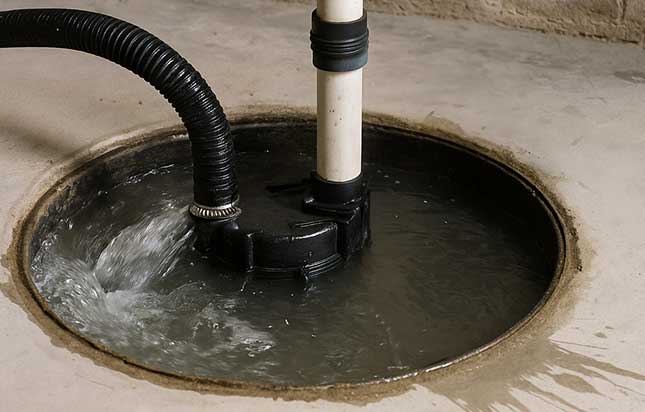
A Wi-Fi water sensor may be the weakest dry-basement purchase a homeowner can make alone. It works as advertised, reporting a wet floor at three in the morning during a thaw. Moving water toward the sewer is the one thing it never does. Ask the plumbers maumee oh homeowners call in February, and the answer stays the same. The alert is the cheap half of the fix; the pump, the basin, and the floor drain are the half that keeps a finished basement office dry. Monitoring is a reporting layer, not a drainage system.
Smart Sensors Report Water They Cannot Remove
The sensor is not the villain here. Treating a notification as a repair is the mistake. Wet basements around the lower Great Lakes are common enough that researchers have measured them. One Detroit household survey, published in a peer-reviewed environmental health journal, found 2,085 of 3,842 homes with flooding data, or 54.26%, reported pluvial flooding. Maumee runs on a different sewer system, though the winters and the 1960s ranch stock rhyme. A sensor counts those events without reducing them.
A Pump That Runs Is Not Proof
Homeowners hear the pump kick on and decide the system is earning its keep. That reasoning runs backwards. In practice, what turns up on a nonstop-cycling pump is a check valve leaking the same water back down the pit. The other usual find is a float riding a basin so tight the motor restarts every ninety seconds. A pump can run all night and still lose ground, because the water does not care how many alerts it triggered. Cycle counts measure activity, not gallons removed.
One rule here has no exceptions. Do not step into standing basement water while outlets, the pump circuit, or plugged-in office equipment are live (yes, that includes the surge strip under your desk). Kill power at the panel only if you can reach it standing dry. The Electrical Safety Foundation International says you should never touch submerged electrical equipment or enter a flooded area until the utility confirms power is off. A plumber and an electrician can sort out the rest once that circuit is dead.
Thaw Weeks Overload Pumps Sized For Rain
A summer downpour arrives fast and drains away. A February thaw is slower and meaner, since frozen ground sheds meltwater sideways for days while the pit refills as fast as it empties. Trade guidance in Contractor Magazine calls for a minimum 18 by 30 inch basin in typical residential work, 30 inches for duplex systems. A cramped basin forces the pump to start far more often than it should. Dropping in a bigger motor without fixing the basin, the discharge line, or that gurgling floor drain buys a louder failure. An hour with the free Lucas County AREIS map viewer helps, since the aerials show where meltwater off neighboring lots travels.
The Real Math Of One Soaked Basement Office
Treat the following as an illustrative scenario rather than a quote. Say a correctly sized replacement pump with a new check valve runs $850 installed, a battery backup adds $520, and a camera look down the floor drain rides along free with qualifying work. That comes to $1,370 all in, inside the $1,500 many Maumee homeowners keep aside for a basement problem. Then price the other outcome: a soaked desk, drywall replaced two feet up a finished wall, plus lost workdays.
The insurance side is not drifting in your favor either. Insurance Journal reported in July 2026 that All Peril claim severity rose 25.9% in 2025 to an all-time high. Whether a pump failure is covered depends on your policy and your state, and water backup is often an endorsement rather than a default. Read the declarations page before counting on a check.
Questions Homeowners Ask Before Replacing A Pump
How Long Should A Sump Pump Actually Last?
Plan on seven to ten years in a basement that pumps hard every spring, less if the pit is undersized. Age alone is not the tell. A pump that short-cycles, hums without moving water, or trips its breaker says what the calendar cannot.
Why Does My Floor Drain Gurgle When The Pump Runs?
Gurgling usually means air is pulling through a partly blocked line, and that noise deserves attention. A camera inspection settles it in one visit, showing whether the obstruction is grease, roots, or a bellied section of lateral. No sensor log will tell you which one it is.
Dry Basements Come From Hardware Not Alerts
Keep the sensor, because a five-minute head start on a wet floor has value. Just stop asking it to do work it has no motor for. Homeowners who stay dry through a thaw treat the alert as a symptom report, then spend the money on hardware. That means a properly sized pump, a basin roomy enough to let the motor pause, backup power, and a camera down the drain. The plumbers maumee oh homeowners keep calling back are the ones who explain basin sizing before quoting a number.
