
How CS Skins Get Their Value: Rarity, Float, and Patterns
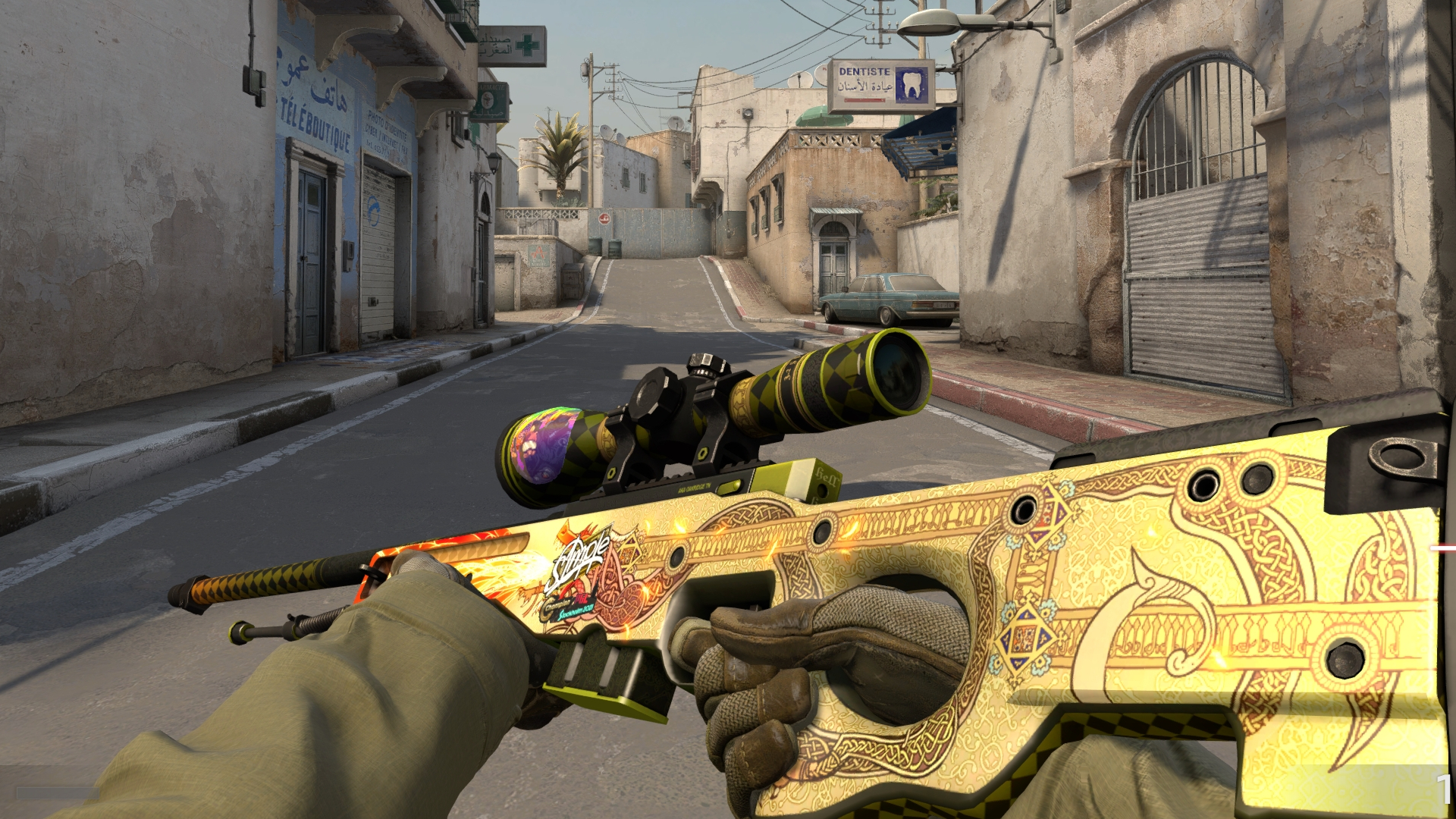
The value of cs skins ranges from a few cents to more than a hundred thousand dollars, and the same weapon and finish can land anywhere across that range. Rarity, float, and pattern decide where a given skin falls. Once you see how each one works, a skin’s price starts to make sense.
How Rarity Sets the Base Value
Rarity is the first thing that determines a skin’s price. It is the grade every skin is assigned when it enters the game.
The Grade System
Skins run through a fixed ladder of grades, each shown by a colour. From most common to rarest, they go Consumer white, Industrial light blue, Mil-Spec blue, Restricted purple, Classified pink, and Covert red. Above those are knives and gloves, which drop at their own rare tier, and a Contraband item, the M4A4 Howl, which was pulled from cases and can never drop again. The rarer the grade, the smaller the supply, which is where the base value comes from.
Why Rarity Is Only the Starting Point
Grade sets the floor, but not the ceiling. Drop odds show why the rare tiers cost more. A blue Mil-Spec skin appears about 80 percent of the time you open a case, while a knife or gloves land at a quarter of one percent. Even so, a common skin with a sought-after pattern can be worth more than a rare-grade one with none. Rarity starts the conversation about value, and float and pattern finish it.
How Float Decides the Condition
Every skin carries a float, a hidden number between 0.00 and 1.00 that is set when the skin is created and never changes. It controls how worn the weapon looks.
The Five Wear Tiers
The float corresponds to five conditions, which do most of the work in pricing a skin within its grade.
● Factory New, 0.00 to 0.07, the cleanest and usually the most valuable.
● Minimal Wear, 0.07 to 0.15, close to Factory New at a lower price.
● Field-Tested, 0.15 to 0.38, moderate wear and the most common on the market.
● Well-Worn, 0.38 to 0.45, visible scratches and fading.
● Battle-Scarred, 0.45 to 1.00, heavily worn.
Lower float usually means a higher price. For a Covert skin, a Factory New copy can sell for ten times its Field-Tested version or more.
When a High Float Is Worth More
Float does not always follow the rule that lower is better. Every skin has its own float cap, so some can never reach the top tiers. The AWP Asiimov starts at 0.18, which means it can never be Factory New, and Field-Tested is the best it comes in. A few skins even gain value at extreme wear. The AWP Asiimov above roughly 0.95 float turns its scope fully black, a look collectors call the Blackiimov, and it sells for several times a normal Battle-Scarred price.
How Patterns Make Some Skins One of a Kind
The third factor is the pattern, and it is where the biggest surprises in pricing come from.
The Paint Seed
Alongside its float, every skin rolls a paint seed, a number from 0 to 999 that decides how the pattern falls on the weapon. The same finish can look completely different from one seed to the next. The Steam Market never shows this number, so buyers use a pattern checker to read it before paying a premium.
Patterns That Command a Premium
On certain finishes, the seed is the whole story. These are the ones that carry a premium.
● Case Hardened skins can roll heavy blue coverage, the prized blue gems, with the top Karambit pattern reaching over a million dollars.
● Doppler knives come in phases, and rare ones like Sapphire, Ruby, Black Pearl, and Emerald sell for many times a standard Doppler.
● Fade skins are priced by their fade percentage, with a full 100 percent fade worth the most.
● Marble Fade has its own chased pattern, the Fire and Ice, worth a large premium over an ordinary one.
How These Three Factors Set cs skins Prices
No factor sets a price on its own. A skin’s value is its rarity, float, and pattern stacked together, then shaped by how much players want it. A Covert skin in Factory New with a clean pattern lands near the top. The same skin, Battle-Scarred with a plain seed, can be worth a fraction of it. When you open a case, the skin you pull carries all three at once, which is why two people opening the same case can walk away with different value. GudDrop shows the exact skin, its wear, and its float the moment it drops, so you can weigh what you unboxed against the market.
Reading a Skin’s Value at a Glance
Put the three together, and any cs skins price becomes readable. Start with the grade for scarcity, check the float for condition, and read the pattern for anything special. A high grade, low float, and rare seed on the same skin push it to the top of the market. Next time you open a case or eye a listing on GudDrop, look past the name and read the grade, the float, and the seed. The price will make sense once you do.
