
The Business Value of Integrating Vendor Onboarding Software into a Procurement System
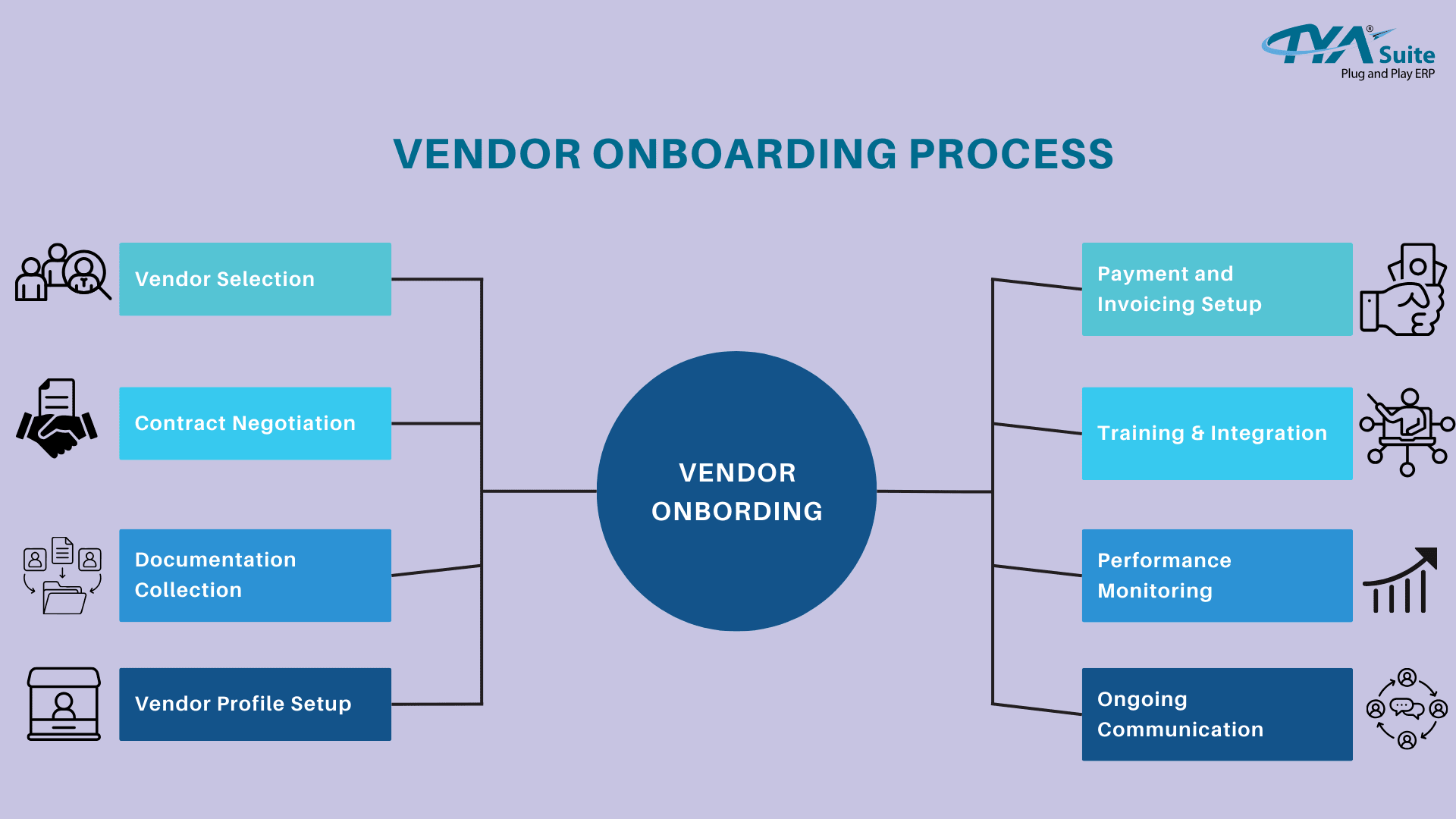
Procurement activities in the organizations are used to create value for business, control risk, reduce expenses, and gain insights into the positive outcomes.
Currently, businesses are switching to the modern procurement system that is done with automation. The incorporation of advanced technologies in the procurement teams is adding value to the company.
Technology named as vendor onboarding software is offering quantifiable advantages in terms of efficiency, compliance, risk management, supplier experience, and strategic sourcing when included in a larger procurement system.
Read this comprehensive guide to explore how incorporating vendor onboarding software into a procurement system yields substantial business value.
Understanding Vendor Onboarding Software and Its Role
The process of integrating new suppliers into an organization’s procurement ecosystem can be automated with vendor onboarding software. Tasks that were previously laborious, fragmented, and error-prone are standardized and streamlined by it, including:
- Compiling data and documentation from suppliers
- Using procurement systems to assign supplier profiles
Why Onboarding Matters in Procurement?
Good vendor onboarding is a business need, not just a nice-to-have. Internal demand and external fulfillment are frequently connected by procurement. Supplier data that is inaccurate, lacking, or delayed can have several detrimental effects, including:
- Procurement delays and contract errors
- Tax, regulatory, and anti-fraud compliance infractions
- Inconsistent or duplicate supplier records
- Inaccurate purchase orders and inconsistent invoices
- Higher exposure to risk
Core Business Benefits of Integration
Let’s examine the main ways that incorporating vendor onboarding software into a procurement system adds operational and strategic benefits.
1. Enhanced Consistency and Quality of Data
Supplier master data management (MDM) is one of the most fundamental issues in procurement. Data quality deteriorates when onboarding takes place in spreadsheets and isolated technologies or outside of the procurement system. Sourcing, contract administration, purchase orders, invoicing, and analytics all suffer as a result.
- Integration guarantees that supplier data is collected once and centrally stored.
- Consistency is enforced by fields and validations (such as tax IDs, addresses, and contact details).
- Duplicate records are found and combined.
- Updates spread automatically, such as compliance renewals.
2. Stronger Compliance and Risk Management
Organizations can incorporate risk screens and compliance checks straight into the workflow when onboarding is coupled with procurement systems.
Typical automatic compliance tests consist of:
- Verification of taxes and regulations
- Verify against watch lists and sanctions.
- Verification of financial stability and insurance certificates
- Reminders for automatically updating out-of-date documentation
These controls improve audit preparedness, enforce governance consistently, and lessen exposure to financial or legal consequences.
3. Reduced Administrative Costs
When onboarding is integrated:
- Automated workflows take the role of manual labor.
- There is no more effort duplication.
- Reminders and notifications lessen the strain of follow-up.
- Tasks involving supplier data entry are moved to self-service.
In addition to lowering administrative costs, this allows procurement specialists to concentrate on higher-value tasks like supplier development and strategic sourcing.
4. Enhanced Supplier Experience and Engagement
The impact of supplier expertise on procurement performance is becoming more widely acknowledged. Particularly for smaller or international suppliers, slow and unclear onboarding procedures lead to dissatisfaction, misunderstandings, and disengagement.
The supplier experience is improved via integrated onboarding through:
- Having transparent online onboarding gateways
- Providing status information in real time
- Minimizing the submission of redundant documents
5. Better Spend Visibility and Control
Supplier profiles, including risk information, compliance status, and contractual terms, are regularly linked to procurement activities thanks to integrated onboarding. This improves analytics throughout the procurement system, allowing:
- Classification of spending by supplier segment
- Monitoring preferred supplier utilization and compliance
- Finding consolidation opportunities
- Real-time information about supplier performance
Procurement teams can impose governance across spend categories and find cost-saving opportunities because of this improved visibility.
6. Seamless Integration with Sourcing and Contract Management
Contract negotiations and strategic sourcing frequently begin with vendor onboarding. When onboarding is incorporated, sourcing tools directly get supplier eligibility requirements.
- RFQ modules and eProcurement catalogs include approved suppliers.
- Onboarding profiles can be pre-loaded with contract conditions.
- Data on supplier performance is recorded for long-term assessment.
This alignment guarantees that onboarding facilitates strategic procurement operations rather than impedes them.
Key Components of an Integrated Vendor Onboarding System
Procurement leaders should assess solutions based on the following fundamental capabilities to realize the business value of onboarding integration fully:
1. Digital Supplier Portal and Registration
An easy-to-use site that allows vendors to:
- Self-register using standardized forms
- Upload the necessary files.
- Monitor the status of onboarding.
- Get automated alerts when data is missing.
To serve global supplier bases, this portal should be mobile-friendly and multilingual.
2. Automated Rule Checks and Validation
The system ought to automatically verify:
- Identifiers for businesses, such as tax IDs
- Documentation for regulatory compliance
- Status of insurance and certification
- Indicators of financial risk
Before vendors are enabled in the procurement system, automated checks offer early assurance that they fulfill baseline requirements.
3. Conditional Approvals and Workflow Automation
Workflows that are integrated should facilitate:
- Approvals at multiple levels according to risk thresholds
- Conditional routing (for example, extra review is needed for high-spending vendors)
- Authorization and access constraints based on roles
This adaptability guarantees uniform enforcement of procurement policies without the need for human intervention.
4. Master Data Repositories Integration
The enterprise supplier master data system must receive onboarding data. This necessitates:
- Record matching and deduplication
- Role-based data update access
- synchronization with the sourcing, P2P, and ERP modules
Accurate analytics, fewer errors, and the avoidance of supplier disputes throughout the company are all made possible by clean master data.
5. Dashboards for Risk Assessment and Compliance
The following supplier risk profiles should be visible to procurement teams:
- Status of compliance
- Contractual duties
- Certification and insurance expirations
- Indicators of financial health
How Integration Supports Procurement Systems?
Vendor onboarding has an impact on the entire procurement lifecycle; it does not function in a vacuum. Here’s how:
From RFQ Participation to Supplier Qualification
Pre-qualified suppliers can be included to RFQs, competitive bidding, and sourcing events without further manual verification after onboarding is finished, speeding up and improving the quality of sourcing.
From Contract Formation to Enforcing Compliance
Automated onboarding guarantees that compliance clauses are appended to each transaction and that contracts are generated using validated supplier data.
Conclusion
Procurement teams may concentrate on strategic operations instead of manual due to this connection, which also guarantees compliance at every stage of the supplier journey.
Onboarding automation is now a strategic enabler of procurement system transformation rather than a nice-to-have feature in today’s digitized corporate world, where agility, transparency, and data-driven decisions are crucial.
Visit Procol’s official website to know more about the vendor onboarding software.
