
Unlock Efficiency: How a Timer Switch Can Revolutionize Your Energy Management
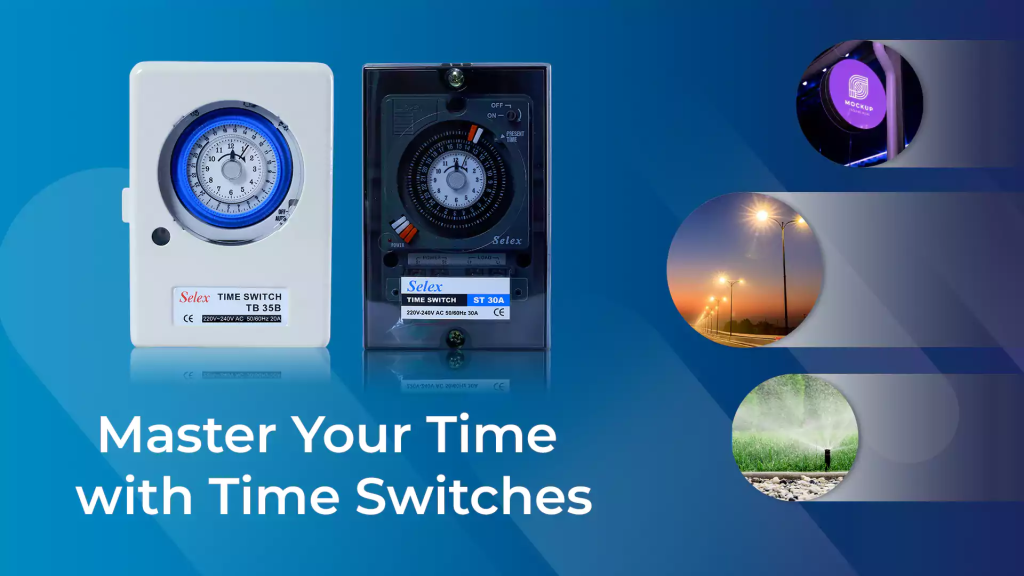
In an era where energy efficiency and smart home automation are becoming priorities for homeowners and industrial managers alike, one device stands out for its simplicity and effectiveness: the Timer Switch. Whether you are looking to cut down on electricity bills, automate your garden irrigation, or ensure industrial machinery operates only when needed, this small electrical component is the key to mastering control over your power usage.
What is a Timer Switch?
A Timer Switch, also known as a time switch or timer relay, is a control device that automatically turns an electrical circuit ON or OFF at preset times. Unlike a standard manual switch that requires human interaction to operate, a timer switch functions based on a programmed schedule.
These devices act as the “brain” of a circuit, ensuring that power is delivered only when it is required. They are commonly mounted on DIN rails in distribution boxes, making them an integral part of modern electrical systems.
How Does It Work?
The mechanism behind a Timer Switch varies depending on the type, but the fundamental principle remains the same: controlling the flow of electricity based on time.
- Digital/Programmable Timers: These utilize a microprocessor to handle complex schedules. Users can set specific on/off times for different days of the week, often with minute-by-minute precision. They usually feature an LCD screen for easy programming.
- Mechanical/Analog Timers: These use a dial and gear mechanism. Users push pins or turn a dial to set the operating periods. While less precise than digital versions, they are incredibly durable and easy to set up.
- Astronomical Timers: A more advanced form of the digital timer, these adjust automatically based on the sunrise and sunset times of your geographic location—perfect for street lighting.
Top Benefits of Installing a Timer Switch
Why should you integrate a Timer Switch into your electrical setup? The advantages go beyond simple convenience.
1. Significant Energy Savings
The most immediate benefit is the reduction of energy waste. By ensuring that high-consumption devices—like water heaters, HVAC systems, or billboard lighting—are turned off when not in use, you prevent “vampire” energy draw. Over a year, this can result in substantial savings and help you secure the best electricity price on your utility bills.
2. Enhanced Security
For homeowners, a Timer Switch adds a layer of security. By programming indoor or outdoor lights to turn on and off at random intervals while you are on vacation, you simulate presence, deterring potential intruders who look for signs of an empty house.
3. Equipment Longevity
Continuous operation wears down electrical components. By giving motors, pumps, and lights a rest period via a timer, you reduce thermal stress and mechanical wear, significantly extending the lifespan of your expensive equipment.
4. Precision Automation
In agricultural and industrial settings, precision is non-negotiable. A Timer Switch allows for exact scheduling of irrigation systems, ventilation fans, and manufacturing belts, ensuring processes run smoothly without manual intervention.
Common Applications
The versatility of the Timer Switch makes it suitable for a wide range of applications:
- Lighting Control: Automatically turning off street lights at dawn or managing office lighting schedules.
- HVAC Systems: Regulating air conditioning and heating to operate only during business hours.
- Water Pumps: Controlling pool pumps or agricultural irrigation systems to water crops at the most efficient time of day.
- School and Factory Bells: Triggering shift changes or class periods automatically.
- Battery Charging: Preventing overcharging by cutting off power to chargers after a set period.
Choosing the Right Timer Switch
When selecting a Timer Switch, consider the load capacity (Amps), the voltage requirements, and the complexity of the schedule you need. For heavy-duty industrial applications, DIN-rail mounted digital timers are often the preferred choice due to their reliability and ease of integration into breaker panels.
