
The Quiet Transformation of Industrial Equipment: How Resale Markets Are Changing Manufacturing
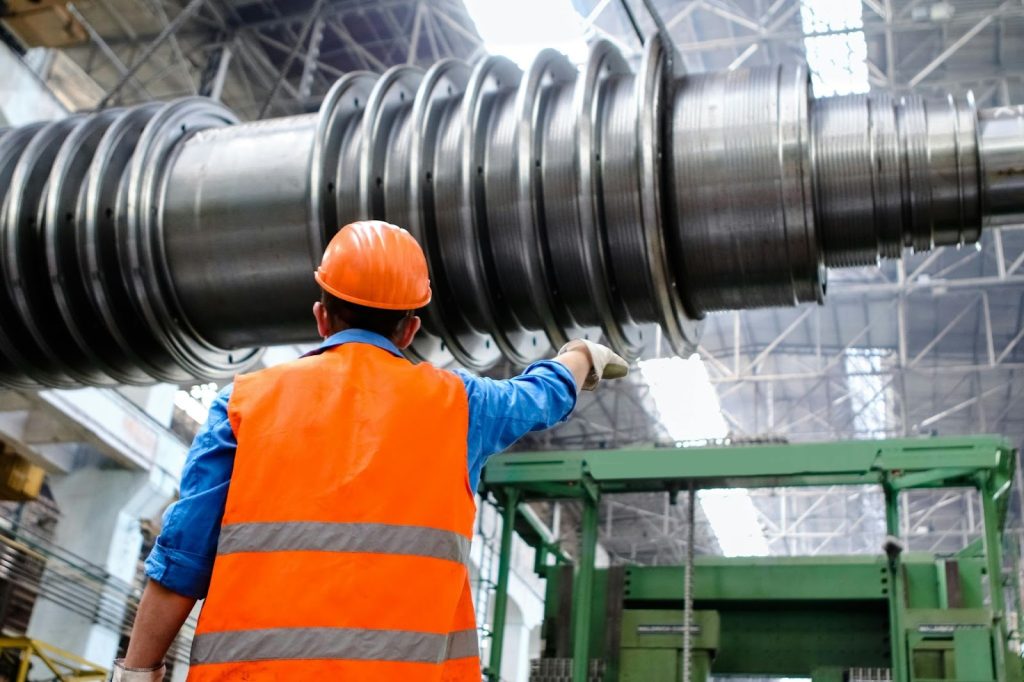
Walk into a modern manufacturing strategy meeting and you’ll hear less about buying new machines—and more about maximizing existing assets. That shift didn’t happen overnight. It’s the result of rising costs, supply chain disruptions, and a growing awareness that value doesn’t disappear once equipment leaves its original installation.
Resale markets for industrial equipment have matured into something far more sophisticated than surplus auctions or liquidation events. They now function as structured ecosystems where businesses can source, evaluate, and redeploy machinery with surprising efficiency.
For manufacturers trying to stay agile without overspending, these markets are becoming an essential part of the conversation.
Why Equipment Lifecycles Are Getting Longer
Built to Last—and to Be Reused
Industrial machinery has always been designed for durability. Heavy-duty processing systems, reactors, and production lines are often built to operate for decades under demanding conditions.
What’s changed is how companies think about the end of that lifecycle. Instead of viewing equipment as obsolete once it’s replaced, many organizations now see it as a transferable asset—something that can continue generating value elsewhere.
This perspective aligns with broader global goals around sustainable industrialization. The United Nations highlights the importance of efficient resource use and infrastructure optimization in its work on sustainable industrial development and infrastructure. Extending the life of industrial equipment fits directly into that vision.
The Emergence of Structured Resale Ecosystems
From Informal Sales to Organized Platforms
Not long ago, selling used industrial equipment often meant navigating fragmented channels—word-of-mouth deals, brokers with limited reach, or one-off listings with little transparency.
Today’s resale environment looks very different. Dedicated platforms and intermediaries have introduced structure, making it easier for buyers and sellers to connect with confidence.
These systems provide:
- Standardized equipment listings
- Verified technical specifications
- Inspection and refurbishment options
- Support with logistics and compliance
As a result, the resale process has become more predictable and accessible, even for companies new to the space.
The Strategic Value of an Industrial Equipment Resale Marketplace
Turning Idle Assets into Opportunities
In many industries, equipment sits unused due to plant closures, upgrades, or shifts in production strategy. What was once considered a sunk cost is now seen as an opportunity.
An industrial equipment resale marketplace like International Process Plants enables companies to reintroduce these assets into active use. Sellers can recover value from equipment they no longer need, while buyers gain access to machinery without the delays and expense of new manufacturing.
This dynamic creates a more efficient allocation of resources across the industry. Equipment moves to where it’s needed most, rather than remaining idle.
Supporting Growth Without Heavy Capital Investment
For growing manufacturers, access to resale markets can be a game changer. Instead of committing large sums to new equipment, they can acquire high-quality machinery at a lower cost and deploy it quickly.
This flexibility is particularly valuable for companies entering new markets or scaling production in response to demand. It allows them to expand without overextending financially.
How Resale Markets Influence Production Strategy
Faster Adaptation to Market Changes
Manufacturing rarely follows a straight line. Demand fluctuates, technologies evolve, and unexpected opportunities arise. Companies that can adapt quickly have a clear advantage.
Resale markets support this adaptability by reducing the time required to acquire equipment. Instead of waiting months for new machinery, businesses can often find suitable options already available.
This speed enables more responsive production strategies, whether that means increasing output, diversifying product lines, or adjusting to new regulations.
Encouraging Experimentation
Launching a new process or product line often involves uncertainty. Investing heavily in brand-new equipment can make that risk harder to justify.
By contrast, sourcing equipment through resale channels lowers the barrier to experimentation. Companies can test new ideas without committing to long-term investments, making innovation more accessible.
For example, manufacturers exploring new production methods may benefit from insights like those shared in this guide to chemical process development strategies for efficient manufacturing. Combining these strategies with flexible equipment sourcing creates a more dynamic approach to growth.
Evaluating Equipment in the Resale Market
What Experienced Buyers Look For
While resale markets offer clear advantages, successful sourcing requires careful evaluation. Experienced buyers focus on several key factors:
Operational history
Understanding how the equipment was used—and maintained—provides valuable insight into its condition and reliability.
Technical compatibility
Equipment must integrate with existing systems, including control interfaces, utilities, and production workflows.
Inspection and refurbishment
Professional assessments can identify potential issues and ensure that machinery meets performance expectations.
Regulatory compliance
Depending on the industry, equipment may need to meet strict safety or environmental standards before it can be used.
Taking the time to assess these elements reduces risk and increases the likelihood of a successful acquisition.
The Environmental Case for Equipment Reuse
Reducing Waste and Resource Consumption
Manufacturing is resource-intensive by nature. Producing new equipment requires raw materials, energy, and complex supply chains. Reusing existing machinery helps reduce that burden.
Every piece of equipment that is redeployed instead of discarded represents a reduction in waste and resource consumption. This contributes to broader sustainability goals while also offering economic benefits.
Aligning with Circular Economy Principles
The concept of a circular economy—where resources are reused and recycled rather than discarded—is gaining traction across industries. Equipment resale markets fit naturally into this model.
By keeping machinery in circulation, these markets help extend product lifecycles and reduce the environmental impact of manufacturing operations.
Challenges That Still Require Attention
Logistics and Transportation
Moving industrial equipment is rarely straightforward. Large machinery requires specialized handling, transportation, and installation.
Working with experienced logistics providers can help ensure that equipment arrives safely and is installed correctly.
Information Gaps
Although transparency has improved, not all listings provide the same level of detail. Buyers must sometimes conduct additional due diligence to verify specifications and condition.
Building relationships with reputable sellers and platforms can help mitigate this challenge.
Market Awareness
Not all manufacturers are fully aware of the opportunities available in resale markets. As awareness grows, participation is likely to increase, further strengthening the ecosystem.
Conclusion
Industrial equipment resale markets are quietly reshaping how manufacturers think about assets, investment, and growth. What was once considered surplus is now recognized as a valuable resource, capable of supporting new production and new opportunities.
By extending equipment lifecycles and improving access to existing machinery, these markets offer a practical path toward greater efficiency and sustainability. They also provide the flexibility needed to navigate an increasingly dynamic industrial landscape.
For manufacturers willing to rethink traditional procurement models, resale markets open the door to smarter, more adaptable operations—without sacrificing performance or reliability.
