
Cybersecurity in Smart Grid Systems: Securing Modern Data Centers and Smart Offices
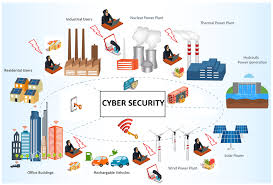
As organizations modernize their infrastructure, smart grid technologies are becoming central to power management in data centers and intelligent office environments. These interconnected systems enhance operational visibility, automate load distribution, and strengthen resilience across mission-critical facilities.
Many decision-makers wonder how cybersecurity in smart grid systems protects modern data centers and smart offices from evolving cyber threats while maintaining uninterrupted performance.
Without strong safeguards, integrated power networks can become vulnerable to unauthorized access, operational disruption, and data compromise.
Let’s examine the key security considerations and best practices that help organizations effectively secure intelligent grid infrastructure.
Understanding the Risk Landscape
Smart grid architectures within commercial facilities integrate power distribution units, switchgear, transformers, backup generators, and monitoring platforms into a centralized digital environment. These interconnected components continuously exchange operational data. If improperly secured, they can become entry points for malicious actors.
Common cybersecurity threats in smart grid ecosystems include:
- Unauthorized access to supervisory control systems
- Malware targeting power management software
- Distributed Denial-of-Service (DDoS) attacks on grid communication layers
- Insider threats exploiting misconfigured credentials
For data centers, where uptime is measured in “five nines,” the stakes are exceptionally high. Similarly, smart offices that rely on automated lighting, Heating, Ventilation, and Air Conditioning (HVAC), and access control networks must safeguard these systems against exploitation.
Key Security Measures for Smart Grid Infrastructure
To protect smart grid systems from evolving cyber threats, organizations must deploy safeguards that secure both hardware and software components across the network.
- Network Segmentation and Access Control
Separating Operational Technology (OT) networks from IT infrastructure reduces attackers’ opportunities for lateral movement. Role-based Access Control (RBAC) ensures that only authorized personnel can interact with critical grid management platforms. Multi-factor authentication further strengthens identity verification.
- Secure Communication Protocols
Encrypted communication channels protect data transmitted between field controllers and central monitoring hubs. Secure protocols help prevent interception or tampering. Organizations should also conduct routine vulnerability assessments to identify weak points within communication layers.
- Continuous Monitoring and Threat Detection
Real-time monitoring solutions analyze network traffic patterns and flag anomalies. Advanced intrusion detection systems can identify irregular commands or unusual power fluctuations that may indicate a cyber intrusion. In the context of cybersecurity in smart grid systems, continuous visibility is essential for rapid incident response.
- Firmware and Software Updates
Outdated firmware in intelligent breakers, relays, and metering modules can expose known vulnerabilities. Establishing a disciplined patch management process ensures that security updates are applied consistently across all connected assets.
Cybersecurity in Smart Grid Systems for Data Centers
Data centers operate complex power infrastructures with redundant feeds, automatic transfer switches, and (UPS). Integrating these assets into a smart grid enhances operational insight but expands the attack surface. Cybersecurity in smart grid implementations within data centers must prioritize secure access, encryption, and real-time monitoring. A scientific calculator helps with accurate power and energy calculations.
- Protection of backup power systems from remote manipulation
- Safeguarding automated load-balancing mechanisms
- Securing remote monitoring dashboards and Application Programming Interfaces (APIs)
Securing Smart Offices Through Intelligent Grid Protection
Modern office environments increasingly adopt smart grid connectivity to manage distributed energy loads and occupancy-driven automation. Cybersecurity networks used in commercial buildings must address endpoint security, secure device authentication, and encrypted remote management.
Facility managers should also invest in staff awareness programs. Human error remains a leading cause of security breaches. Clear operational policies reduce accidental exposure to phishing attempts or unauthorized system access.
Strengthen Your Infrastructure for Long-term Security and Performance
Securing intelligent energy networks demands more than software safeguards. It requires a comprehensive approach that aligns technology, governance, risk management, and operational discipline across every layer of the facility. To reinforce cybersecurity in smart grid systems across data centers and smart offices, organizations should collaborate with a reputable electrical brand known for reliability and advanced protection technologies.
By partnering with an experienced provider, businesses gain access to secure-by-design solutions, certified equipment, and expert guidance tailored to mission-critical environments. This strategic collaboration also supports long-term scalability, compliance readiness, and proactive threat mitigation.
Take the next step toward resilient infrastructure by working with a trusted electrical brand that prioritizes innovation, reliability, and robust security standards.
