
How Richmond Strata Councils Can Prepare for Sudden Snowfall and Icy Walkways Before the First Slip Happens
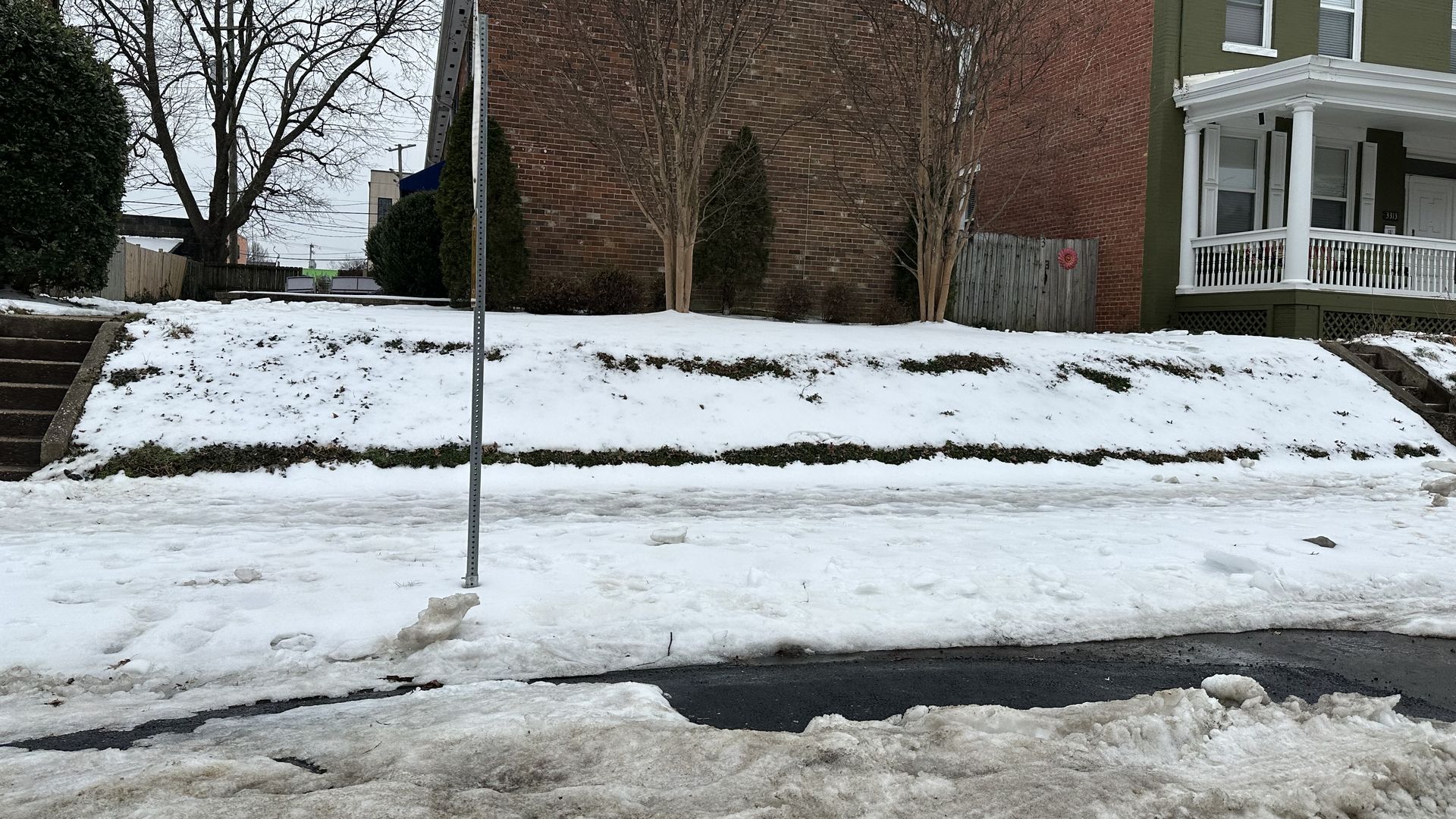
Snow Removal Richmond: Why Sudden Snowfall Is a Timing Problem
Richmond is not usually seen as one of the snowiest parts of Metro Vancouver. That is exactly why winter risk gets underestimated.
For many strata councils, the real issue is not a long storm with obvious buildup. It is the fast shift from wet pavement to frozen walkways, from light snowfall to packed slush, and from “we still have time” to resident complaints before breakfast. A property can look manageable at night and feel much less safe by morning once moisture freezes in the wrong places.
That is why Snow Removal Richmond should not be treated as a simple after-the-fact service. It is a timing and readiness issue. Councils that wait until surfaces already look bad usually lose the easiest prevention window. By the time someone notices the stairway, parkade ramp, or mailbox path is icy, the site is already behind.
A stronger winter approach starts before the storm, not after the first complaint — which is exactly why companies like Only Strata Snow Removal put so much emphasis on proactive planning instead of reactive clearing alone.
Snow Clearing Starts With Mapping the Surfaces That Fail First
A lot of strata sites make the same mistake every winter. They think “clear the property” is a plan.
It is not.
A better Snow Clearing strategy starts with a map of the surfaces residents actually rely on every day. That means identifying which routes freeze first, which areas carry the most foot traffic, and which access points become dangerous long before the whole site looks affected.
The first areas that should always be prioritized
Front entrances, shared stairs, curb crossings, accessible parking routes, mailbox paths, garbage access routes, side gates, and walkways between buildings should always be first-priority surfaces.
Why these smaller routes create bigger liability
A parking area may look mostly fine while the few metres between a stall and the front door become the real injury zone. A narrow path used every morning by seniors, children, or delivery drivers can be more hazardous than a larger untreated area that no one uses until later.
This is where better winter planning beats generic contractor thinking. Richmond strata properties do not just need snow moved. They need surface priority, because winter trouble forms unevenly and fast. For a clearer example of what that kind of planning looks like in practice, see here.
Snow Plowing Helps, but It Will Not Solve a Property That Keeps Recreating Ice
A lot of councils put too much faith in Snow Plowing alone.
Plowing matters, but it does not fix drainage problems, downspouts aimed at walkways, blocked catch basins, poor runoff paths, or water that keeps freezing beside entrances. If slush is pushed aside and then melts into the same pedestrian route overnight, the plow has not solved the risk. It has only moved the problem.
That is why sudden snowfall prep should include property-side checks before winter gets serious. Gutters, drainage paths, parkade runoff, walkway slopes, and water flow around entrances all shape how safe the site stays after the first pass. Richmond’s coastal conditions make this especially important because moisture lingers, and lingering moisture becomes hidden ice quickly.
A plow can remove accumulation. It cannot stop a poorly prepared site from recreating the same hazard a few hours later.
Snow Removal Services Work Better When Service Depth / Operations Are Clear
This is where many strata councils get stuck with the wrong kind of vendor.
A company may sound responsive, but if there is no real Service depth / operations behind the promise, the service can still fail when weather changes quickly. Councils should not only ask whether a contractor is available. They should ask how service is triggered, how repeat checks happen after refreeze, how proof is captured, and whether the route load is realistic once several properties need attention at once.
What stronger winter operations actually look like
Good Snow Removal services do more than show up. They use defined treatment triggers, repeat monitoring, clear response standards, and practical escalation when conditions worsen.
Why documentation matters as much as the clearing itself
If a walkway was treated but nobody can confirm when or what the site looked like afterward, the property loses part of the protection that good winter service is supposed to provide. Logs, photos, and time-based records matter because winter claims and complaints rarely rely on memory alone.
This is where Only Strata Snow Removal fits naturally into the conversation. A strata-only focus, strict capacity limits, GPS/photo service logs, proactive dispatch, large salt reserves, reliable winter response, cancellation flexibility, and a damage repair guarantee all point to the same advantage: winter service should function like a controlled system, not a scramble.
Snow Removal Richmond Fails Fast When Councils Wait for the Forecast to Feel Serious
One of the most common planning mistakes is assuming Richmond’s lower snowfall means more time to react.
It often means the opposite.
Sudden snowfall and fast icing events create trouble precisely because they do not always look dramatic at first. A little snow, some rain, a temperature drop, and the property is suddenly dealing with slippery pedestrian routes, blocked access, and residents asking why the site was not treated earlier.
That is why Snow Removal Richmond works best when the site is already set up before the forecast turns ugly. Salt and de-icer should already be stocked. High-risk areas should already be mapped. Contractor expectations should already be clear. Councils should already know who checks the site after the first pass and who confirms that drains, stairs, and ramp edges are still safe after conditions change.
Waiting for the event to become visually obvious is how a manageable weather shift turns into a reactive morning.
PAA / Common Questions Richmond Strata Councils Keep Getting Wrong
There are a few winter questions that come up again and again, and they usually reveal the same problem: a council is thinking about snow instead of risk.
Is professional service still worth it if Richmond usually sees less snow? Yes, because lighter snowfall does not remove the need for ice control, walkway safety, and early response timing.
Can treatment wait until snow clearly accumulates? Usually not. In Richmond, the bigger hazard is often the ice that forms after light snow, slush, or wet pavement is left untreated.
Is one pass enough? On many strata sites, it is not. Shared access routes, stairs, ramps, and mailbox paths often need repeat attention because conditions change after the first clearing.
That is the real takeaway for Richmond strata councils: sudden snowfall is not just a snow problem. It is a readiness problem. And icy walkways do not usually expose the weather first. They expose the weak spots in the plan.
