
How to Pay Overdue Utility Bills Without Draining Your Savings
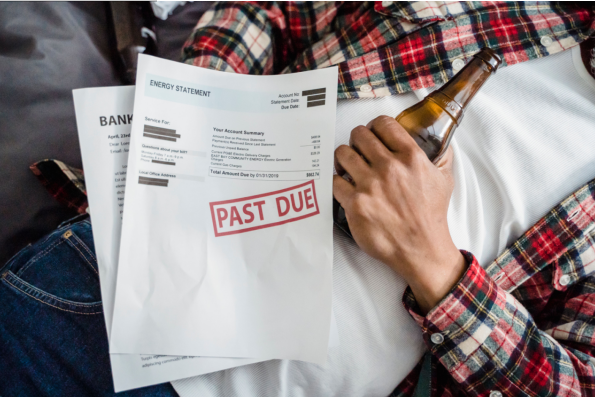
How to Pay Overdue Utility Bills Without Draining Your SavingsImage Source: PexelsManaging overdue utility bills can feel overwhelming, especially when expenses begin to pile up unexpectedly. Whether it is due to a temporary financial setback or rising living costs, falling behind on essential payments can quickly add stress. The good news is that there are practical ways to catch up on these bills without putting your entire savings at risk.
Assess Your Financial Situation First
Before taking any action, it is important to get a clear picture of your current finances. Start by listing all your monthly expenses, including rent, groceries, transportation, and existing debts. Then calculate your available income after covering necessities.
This step helps you understand how much you can realistically allocate toward overdue bills without jeopardizing other essential needs. It also prevents you from making rushed financial decisions that could create additional strain in the future.
Having a clear view of your finances allows you to plan strategically rather than react emotionally.
Contact Utility Providers for Payment Options
Many people overlook the fact that utility companies are often willing to work with customers facing financial difficulties. If you are behind on payments, reach out to your service provider as soon as possible.
Most providers offer solutions such as extended payment plans, temporary reductions, or deferred payments. These arrangements can give you more time to manage your bills without facing disconnection or penalties.
Open communication shows responsibility and increases the chances of finding a manageable solution. It can also help you avoid additional fees that may further increase your financial burden.
Cut Non-Essential Expenses Temporarily
One effective way to free up funds is by reviewing and reducing non-essential spending. This does not mean eliminating all enjoyment, but rather identifying areas where you can scale back temporarily.
Subscriptions, dining out, and entertainment expenses are common areas where adjustments can make a significant difference. Redirecting even a small portion of these costs toward overdue bills can help you regain control more quickly.
By making short term sacrifices, you can protect your savings and avoid relying heavily on emergency funds.
Consider Short-Term Financial Assistance
When immediate payment is necessary and other options are limited, short-term financial solutions can help bridge the gap. Some individuals explore Quick Loans for Utility Bills to settle overdue balances and prevent service interruption.
These options can provide quick access to funds, but it is essential to approach them carefully. Always review the terms, interest rates, and repayment schedule before committing. Choosing a manageable plan ensures that you are not replacing one financial challenge with another.
Look for reputable lenders and avoid high-cost options that may lead to long-term debt. When used responsibly, short-term assistance can offer relief during difficult periods.
Explore Community and Government Support
In many areas, there are assistance programs designed to help individuals manage essential expenses like utilities. These programs may be offered by local governments, nonprofit organizations, or community groups.
Support can come in the form of direct financial aid, vouchers, or subsidized payment plans. Eligibility requirements vary, so it is worth researching what is available in your area.
Taking advantage of these resources can significantly reduce your financial burden and help you avoid depleting your savings. These programs are specifically designed to support individuals during times of need, making them a valuable option to consider.
Build a Plan to Prevent Future Overdue Bills
Addressing overdue payments is only part of the solution. Creating a plan to prevent future delays is equally important. Start by setting up a simple budget that accounts for all essential expenses, including utilities.
Whenever possible, consider setting aside a small emergency fund dedicated to recurring bills. Even a modest reserve can make a difference during unexpected situations.
You may also benefit from setting reminders or automating payments to ensure bills are paid on time. Consistency is key to maintaining financial stability and reducing stress related to missed payments.
Conclusion
Paying overdue utility bills does not have to come at the cost of draining your savings. By understanding your financial situation, exploring payment options, reducing unnecessary expenses, and seeking the right support, you can regain control with confidence.
Taking a proactive and balanced approach allows you to meet your obligations while protecting your financial well-being. With careful planning and informed decisions, it is possible to overcome temporary setbacks and maintain greater financial stability in the long run.
