
Letybo Vs Botox: Which One Ages Better?
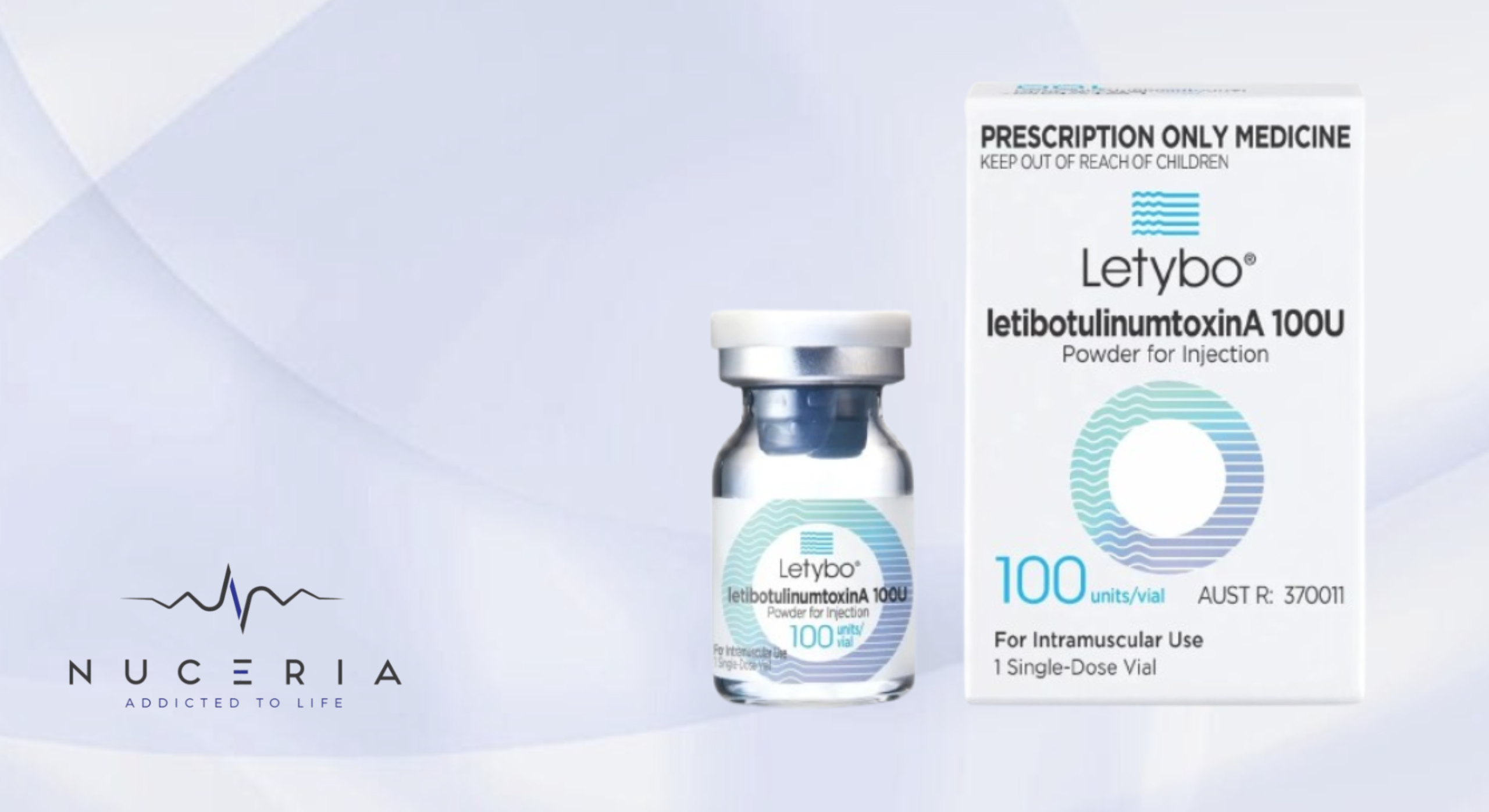
For years, Botox practically ruled the wrinkle-relaxer conversation all by itself. Then, gradually enough, newer injectables entered aesthetic clinics and started turning heads. One name, in particular, now pops up repeatedly across dermatology forums, med spa menus, and skincare discussions: Letybo.
So, where exactly does it stand against Botox? And more importantly, which injectable actually deserves your money?
Let’s find out!
First Look
A fresh forehead, softer crow’s feet, and smoother frown lines can change the way a person feels in front of a mirror. That, naturally enough, explains why injectable treatments now sit right at the center of cosmetic dermatology. Among the names people search most, Letybo and Botox keep popping up in the same conversation.
Now, before anyone books an appointment at the nearest med spa, there is usually one practical question floating around in their head: what does this cost long term?
Quite a few patients even sit down to calculate their monthly savings before choosing between these injectables because maintenance costs can stack up quietly over time. Fair point, quite frankly. Cosmetic treatments rarely stop at one session.
At the same time, dermatologists rarely treat these products as interchangeable copies. They look at spread, onset time, muscle response, wrinkle depth, skin texture, patient age, and, in some cases, facial anatomy down to the millimeter. One injector may swear by Botox for forehead lines, whereas another may pull out Letybo for sharper precision around the eyes.
So, let’s cut through the noise and unpack the real differences.
Basics
Botox came first and practically became shorthand for wrinkle relaxers. It uses botulinum toxin type A to reduce muscle movement beneath the skin. Once those muscles calm down, lines and folds soften gradually.
Letybo works through the same mechanism. It also relies on botulinum toxin type A, although its formulation, purification process, and diffusion profile differ slightly. South Korean aesthetic clinics pushed it heavily before international markets began paying closer attention.
Dermatologists, meanwhile, tend to compare these injectables the same way chefs compare knives. Both may slice perfectly fine, though one may feel smoother in the hand.
Treatment
The procedure itself feels fairly similar for both products.
A dermatologist or trained injector first examines facial movement. They ask patients to smile, squint, raise eyebrows, or frown. Then, after facial mapping, tiny injections go directly into selected muscles.
The appointment usually wraps up in 15 to 30 minutes. No anesthesia enters the picture in most clinics, although numbing cream may help anxious patients.
Botox, according to many injectors, spreads slightly more in some treatment areas. That characteristic helps broader forehead coverage. Letybo, on the other hand, has developed a reputation for tighter precision in certain facial zones.
Either way, dermatologists frequently say the injector’s skill carries more weight than the brand itself. A shaky hand can turn a premium toxin into a headache, figuratively and literally.
Results
This is where the conversation gets spicy.
Botox generally takes three to seven days before visible relaxation appears. Full results may settle around the two-week mark.
Letybo, according to several clinics, can kick in a bit faster for some patients. Certain users notice early softening within a few days. That quicker onset has become one of its strongest selling points.
Duration also sparks debate. Botox usually lasts three to four months. Letybo lands in a similar range, though patient metabolism, dosage, exercise habits, and muscle strength affect longevity considerably.
Some dermatologists describe Botox as the safe pair of hands because of its massive clinical track record. Letybo, meanwhile, attracts patients curious about newer formulations and, quite frankly, lower prices in some regions.
Pricing
Money talks, particularly in cosmetic medicine.
Botox usually costs more. Clinics charge either per unit or per treatment area. In the United States, forehead treatment alone may range from $250 to $600 depending on geography and injector reputation.
Letybo tends to arrive at a friendlier price point. In several Asian markets, patients choose it specifically because it trims treatment costs while delivering comparable cosmetic improvement.
That said, bargain hunting in aesthetics can backfire badly. If a clinic advertises suspiciously cheap toxins, alarm bells should ring immediately. Dermatologists love to say cheap work ain’t good and good work ain’t cheap. Crude perhaps, though the warning fits.
Patients should also factor maintenance costs into the equation. Repeat sessions every few months can nibble away at annual budgets faster than expected.
Side Effects
Neither injectable escapes side effects entirely.
Common reactions include redness, mild swelling, bruising, tenderness, and temporary headaches. These usually settle quickly.
More serious complications, although uncommon, include eyelid droop, asymmetrical eyebrows, frozen facial expression, and uneven smiles. That risk climbs sharply when inexperienced injectors enter the scene.
Botox carries decades of safety data and FDA approvals for cosmetic as well as medical uses like migraines and excessive sweating.
Letybo continues to expand globally, though long-term international data remains smaller by comparison. That does not automatically make it unsafe, though cautious patients sometimes lean toward the product with the thicker paper trail.
Dermatologists also warn patients not to rub injection sites immediately afterward. No gym sessions, facials, or upside-down yoga poses for several hours either. In aesthetic medicine, small aftercare mistakes can throw a wrench in recovery.
Pros And Cons
Botox brings name recognition, massive clinical history, broad medical approvals, and trusted consistency. Many injectors know exactly how it behaves across different facial structures.
On the downside, it usually costs more. Additionally, some patients complain about results that feel too stiff when dosing goes overboard.
Letybo attracts attention through competitive pricing, precise placement potential, and a possibly faster onset. Younger patients and trend-conscious aesthetic clients frequently ask for it specifically.
Its drawback revolves mainly around familiarity. Some clinics simply lack extensive experience with it compared to Botox. In cosmetic dermatology, comfort and confidence from the injector count for plenty.
Lifestyle
Interestingly enough, injectable culture now overlaps with wellness culture in bizarre little ways. Patients walk into appointments discussing skincare acids, collagen powders, hydration levels, and even dinner recipes in the same breath.
One dermatologist joked that people debate neurotoxins with the same passion food lovers reserve for Thomas Keller’s potato pavé recipe. Odd comparison perhaps, though there’s truth buried in it. Beauty conversations have become strangely detailed and deeply personal.
Stress levels, sleep habits, smoking, alcohol intake, and sun exposure also shape results. Someone who treats skincare like an afterthought may burn through toxin longevity quicker than expected.
Verdict
So, which one wins?
Honestly, the answer changes from face to face.
Botox remains the industry heavyweight with extensive research, predictable performance, and strong trust among dermatologists worldwide. Patients who prefer tried-and-tested options usually gravitate there comfortably.
Letybo, meanwhile, continues gaining traction because of pricing advantages, competitive results, and growing popularity in aesthetic clinics.
The smartest move, therefore, involves less obsession over branding and more focus on injector expertise. A talented dermatologist understands facial balance, natural movement, and conservative dosing. That combination separates polished results from overfilled, expressionless faces.
At the end of the day, smooth skin looks nice. Looking like yourself, just slightly more rested looks even better.
