
Steroid Creams for Inflamed Skin: When Are They Commonly Used?
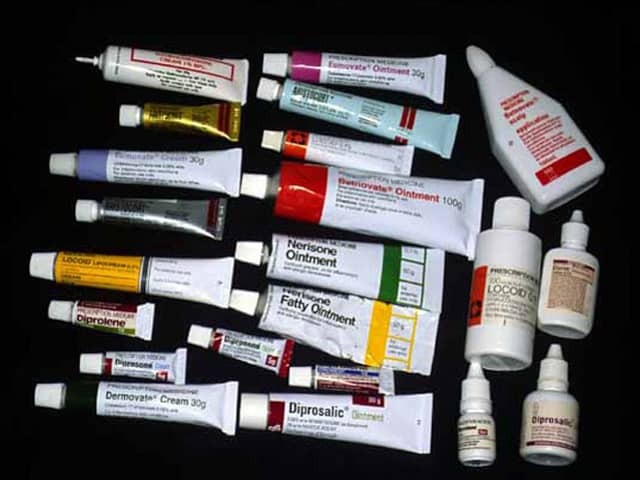
Inflamed skin can become red, itchy, swollen, dry, or uncomfortable. These symptoms may develop because of eczema, dermatitis, allergic reactions, or other skin conditions. Treatment depends on the underlying cause and the severity of the inflammation.
Topical corticosteroids, often called steroid creams, are commonly used to reduce inflammation and itching. They come in different strengths, and choosing the right product depends on factors such as the affected area, diagnosis, age, and treatment duration.
One example is mometasone furoate, a topical corticosteroid that may be prescribed for certain inflammatory skin conditions. Understanding when these medicines are used and how to apply them safely can help patients make informed decisions with their healthcare professionals.
What Are Steroid Creams?
Steroid creams contain corticosteroids that reduce inflammation in the skin. They are different from anabolic steroids associated with muscle growth.
When applied to affected skin, topical corticosteroids can reduce redness, swelling, and itching. They are available in different strengths and formulations, ranging from mild to very potent.
A healthcare professional may select a particular corticosteroid based on the condition being treated and the location of the inflammation.
What Causes Inflamed Skin?
Skin inflammation can have many causes. Common examples include:
- Atopic dermatitis
- Contact dermatitis
- Allergic reactions
- Certain types of eczema
- Psoriasis
- Insect-bite reactions
- Other inflammatory skin conditions
Not every red or itchy rash should be treated with a steroid cream. Some infections and other skin conditions can become worse when corticosteroids are used incorrectly.
For this reason, identifying the cause of inflammation is an important first step.
How Do Topical Steroids Work?
Corticosteroids reduce inflammatory activity in the skin. This can help decrease symptoms such as redness, swelling, and itching.
The medicine is generally applied directly to the affected area. Because topical corticosteroids vary considerably in strength, using the appropriate product and amount is important.
A stronger corticosteroid is not necessarily a better choice. The goal is to use an appropriate strength for the condition while minimizing unnecessary exposure.
When Are Steroid Creams Commonly Used?
Healthcare professionals may recommend topical corticosteroids when inflammation is a significant part of a diagnosed skin condition.
They can be used for conditions such as eczema and dermatitis, particularly when symptoms include substantial itching, redness, or inflammation.
Treatment may be short-term, with the medicine applied according to specific instructions until the flare improves.
Some patients may require intermittent treatment for recurring conditions, but the schedule should be determined by a healthcare professional.
What Is Mometasone Furoate?
Mometasone furoate is a topical corticosteroid used to treat certain inflammatory skin conditions. It can reduce symptoms such as redness, itching, and inflammation.
Depending on the product and local regulations, mometasone may be available in different formulations, including creams, ointments, or lotions.
Patients searching for mometasone furoate cream for irritated skin should understand that the medication is intended for specific inflammatory conditions and is not appropriate for every type of irritation.
Is Mometasone Suitable for Every Rash?
No. A rash can have many possible causes, and corticosteroids are not appropriate for every skin problem.
For example, some fungal, bacterial, or viral infections may require specific antimicrobial treatment. Using a corticosteroid without knowing the cause can sometimes mask symptoms or allow an infection to worsen.
If a rash is persistent, spreading, painful, or unusual, professional medical evaluation may be appropriate.
How Should Steroid Creams Be Applied?
Patients should follow the instructions provided by their healthcare professional or the medicine’s labeling.
General principles may include:
- Apply a thin layer to the affected skin.
- Use the medicine only as directed.
- Avoid applying it to areas that were not intended for treatment.
- Wash hands after application unless the hands are being treated.
- Avoid covering treated areas with tight or airtight dressings unless specifically instructed.
- Do not use the medicine for longer than recommended.
Using excessive amounts does not necessarily improve results and may increase the risk of side effects.
Why Does Treatment Duration Matter?
Topical corticosteroids can be highly effective when used appropriately, but prolonged or excessive use can increase the risk of unwanted effects.
The appropriate treatment duration depends on the corticosteroid’s strength, the location of the skin condition, and the severity of inflammation.
Sensitive areas such as the face, skin folds, and genital region generally require particular caution because the skin may be more vulnerable to steroid-related side effects.
Possible Side Effects
Topical corticosteroids can cause side effects, especially when used too frequently, over large areas, or for extended periods.
Potential problems can include:
- Skin thinning
- Stretch marks
- Changes in skin color
- Increased visibility of small blood vessels
- Burning or irritation
- Increased susceptibility to certain infections
The risk depends on several factors, including the strength of the steroid, the amount used, the treatment area, and duration.
Can Steroid Creams Be Used on the Face?
Some topical corticosteroids may be used on the face under professional guidance, but caution is especially important.
Facial skin is relatively sensitive, and prolonged use of stronger corticosteroids can increase the risk of side effects.
Patients should not automatically use a steroid cream prescribed for another part of the body on their face. A healthcare professional can recommend an appropriate treatment based on the diagnosis and affected area.
What About Children?
Children can also develop inflammatory skin conditions that may respond to topical corticosteroids. However, their skin can be more susceptible to some adverse effects.
The appropriate strength, amount, and duration should therefore be determined carefully.
Parents and caregivers should follow the prescribing instructions and avoid extending treatment without professional advice.
Steroid Creams and Moisturizers
Moisturizers are an important part of managing many dry and inflammatory skin conditions.
They can help support the skin barrier and reduce dryness. Depending on the treatment plan, a healthcare professional may recommend using an emollient alongside a topical corticosteroid.
Patients should follow specific instructions about when and how to apply each product.
What Should You Avoid During Treatment?
People using topical corticosteroids should avoid several common mistakes.
These include:
- Applying more than directed
- Using the medicine on an undiagnosed rash
- Sharing prescription creams
- Using an old prescription for a new skin problem
- Applying the cream for longer than recommended
- Covering the treated area without medical advice
Following the prescribed treatment plan helps balance effectiveness with safety.
When Should You Seek Medical Advice?
Some skin symptoms require professional evaluation rather than self-treatment.
Contact a healthcare professional if the rash:
- Spreads quickly
- Becomes very painful
- Produces significant discharge
- Develops blisters or open sores
- Does not improve with treatment
- Appears infected
- Keeps returning without an established diagnosis
Urgent medical attention may be appropriate for severe symptoms, especially if skin symptoms occur alongside breathing difficulties, facial swelling, or other signs of a serious allergic reaction.
Frequently Asked Questions
What are steroid creams used for?
Topical steroid creams are commonly used to reduce inflammation, redness, itching, and swelling associated with certain inflammatory skin conditions.
Is mometasone furoate a steroid?
Yes. Mometasone furoate is a topical corticosteroid used for certain inflammatory skin conditions.
Can I use mometasone for any irritated skin?
No. Skin irritation can have many causes, and mometasone is not appropriate for every rash. A healthcare professional can determine whether a corticosteroid is suitable.
Can steroid creams thin the skin?
Yes. Skin thinning and other changes can occur, particularly with prolonged or inappropriate use. Using the correct strength and duration can help reduce this risk.
Can steroid creams treat skin infections?
Corticosteroids primarily reduce inflammation. They do not treat infections such as fungal or bacterial infections. Some infected conditions may worsen if a steroid is used without appropriate antimicrobial treatment.
How long should I use a steroid cream?
The appropriate duration depends on the specific medication and skin condition. Follow the instructions provided by your healthcare professional rather than extending treatment on your own.
Conclusion
Steroid creams can provide effective relief from inflammation and itching when used for appropriate skin conditions. Mometasone furoate is one topical corticosteroid that may be prescribed for certain inflammatory problems.
However, not every irritated or itchy rash requires a steroid. Correct diagnosis, appropriate potency, proper application, and suitable treatment duration all matter.
If you are considering mometasone furoate cream for irritated skin, speak with a healthcare professional to determine whether it is appropriate for your symptoms. Used correctly, topical corticosteroids can be a valuable part of managing inflammatory skin conditions while minimizing unnecessary risks.
