
How NIOSH Ensures Workplace Respiratory Safety in Industrial Settings
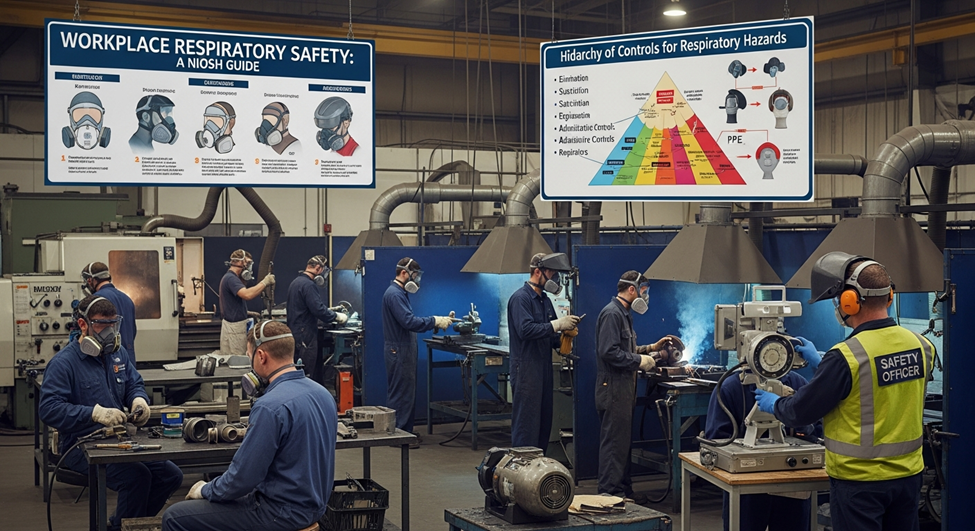
Industrial workplaces present a wide range of respiratory hazards, from airborne dust and chemical fumes to biological aerosols. These hazards pose both immediate and long-term health risks for employees if not properly controlled. To mitigate these risks, organizations must adopt structured respiratory protection programs guided by research-backed standards. NIOSH (National Institute for Occupational Safety and Health) provides a framework of guidelines designed to ensure that respiratory protection is both reliable and effective across diverse industrial settings.
The significance of guidelines lies in their practical, science-based approach to industrial safety. They help employers assess risks, select appropriate respirators, conduct fit testing, and train workers in proper usage. Implementing these standards reduces exposure to harmful substances, prevents occupational illnesses, and improves overall workplace productivity. In addition, adopting respiratory protection programs strengthens compliance with regulatory requirements and fosters a culture of safety, which benefits both employees and organizational efficiency.
Selecting and Using NIOSH-Approved Respirators
Choosing the right respirator is critical for effective protection against industrial hazards. These respirators ensure certified performance, tailored solutions for specific risks, and reliable maintenance protocols to keep workers safe.
- Certified Filtration and Performance: These guidelines ensure respirators meet strict, science-based testing standards. Each device undergoes rigorous evaluation for filtration efficiency, airflow resistance, and durability in industrial conditions. Using certified equipment guarantees consistent protection against workplace contaminants, reducing the risk of exposure.
- Tailored Solutions for Different Hazards: Respirators are designed for specific industrial environments and hazards. NIOSH categorizes devices such as disposable filtering facepieces (N95, P100), elastomeric masks, and PAPRs for targeted protection. Organizations can select equipment that aligns with chemical, dust, or aerosol risks for optimal safety.
- Maintenance and Replacement Protocols: Reliable protection depends on proper cleaning, inspection, and upkeep. The guidelines provide schedules for routine maintenance and timely replacement of respirators. Following these protocols ensures equipment remains effective, even under heavy or contaminated use.
Conducting Fit Testing and Training Programs
Proper fit and training are essential for respirators to provide full protection. The guidelines emphasize secure fit testing, comprehensive employee instruction, and ongoing reinforcement to ensure consistent and effective use.
- Ensuring Proper Fit: A respirator protects only when it fits securely. This recommends both qualitative and quantitative fit testing to ensure a proper seal for every wearer. Correct fit minimizes air leakage, providing maximum protection in high-risk environments.
- Comprehensive Employee Training: Workers must be trained in correct respirator use, including donning, doffing, adjustments, and maintenance. Training also helps employees identify early signs of equipment failure. Well-trained staff are more likely to comply consistently, reducing exposure risks.
- Behavioral Reinforcement: Ongoing education reinforces proper respirator practices over time. Periodic refresher sessions and monitoring encourage long-term adherence to safety protocols. This continuous reinforcement strengthens program effectiveness and workplace safety.
Hazard Assessment and Customized Protection Plans
Effective respiratory safety begins with identifying workplace hazards. These guidelines recommend detailed assessments and customized programs to match respirator types and usage schedules to specific industrial risks, supported by continuous documentation and review.
- Identifying Workplace Hazards: Accurate hazard assessment is essential for effective respiratory protection. The guidelines recommend evaluating airborne contaminants, exposure duration, and specific operational processes. Understanding these factors enables organizations to implement targeted safety measures that reduce risk.
- Customizing Respiratory Protection Programs: One-size-fits-all approaches are inadequate for industrial safety. Tailored programs determine respirator types, usage schedules, and additional protective measures based on actual workplace conditions. This ensures consistent and effective protection for all employees, even during high-risk operations.
- Documentation and Continuous Review: Ongoing monitoring is key to program success and adaptability. Keeping detailed records of hazard assessments, respirator assignments, and training sessions allows organizations to track effectiveness. Regular review ensures programs remain responsive to new hazards and evolving workplace conditions.
Integrating Respiratory Protection into Industrial Safety Culture
A strong safety culture maximizes the effectiveness of respiratory programs. Leadership commitment, employee engagement, and continuous improvement help embed safety practices, making respiratory protection a shared responsibility across the organization.
- Leadership Commitment: Management plays a crucial role in establishing workplace safety standards. By prioritizing respiratory protection, providing necessary resources, and enforcing compliance, organizations create a culture where safety is a shared responsibility. Leadership engagement sets the tone for employees to follow consistent safety practices.
- Employee Engagement: Active participation from workers enhances the success of respiratory programs. Encouraging reporting of near-misses, providing feedback, and adhering to protocols fosters a sense of ownership over safety. Engaged employees are more likely to consistently follow respirator guidelines, strengthening overall program effectiveness.
- Continuous Improvement: Respiratory protection programs must evolve with operational changes. These guidelines recommend audits, incident reviews, and the adoption of emerging technologies like smart respirators or digital monitoring. Continuous improvement ensures programs remain effective, relevant, and aligned with evolving industrial hazards.
Monitoring, Measurement, and Program Effectiveness
Ongoing monitoring ensures respiratory programs deliver the intended protection. Regular exposure assessments, compliance audits, and health surveillance help organizations evaluate program effectiveness and take proactive steps to safeguard worker health.
- Exposure Monitoring: Regular monitoring ensures that respiratory protection remains effective. Air quality assessments, sample collection, and real-time measurements confirm that workers are safeguarded against dust, fumes, and other airborne hazards. Continuous evaluation helps organizations respond promptly to changes in exposure levels.
- Audits and Compliance Checks: Routine inspections of respirator use, fit testing, and adherence reveal potential gaps in safety programs. Corrective actions based on these evaluations maintain compliance with the standards. Regular audits reinforce consistent practices and strengthen overall program integrity.
- Health Surveillance: Integrating medical monitoring supports early detection of occupational respiratory illnesses. Tracking employee health alongside respirator use confirms program effectiveness. Proactive surveillance ensures timely intervention and long-term protection of worker health.
Final Thoughts
Ensuring reliable respiratory protection in industrial settings is a complex, yet essential, responsibility. Structured guidelines provide a science-backed framework for selecting appropriate respirators, conducting fit testing, implementing hazard-based protection plans, and maintaining a culture of safety. When organizations integrate these standards, employees benefit from reduced exposure to airborne hazards, improved health outcomes, and greater confidence in workplace safety. Beyond compliance, implementing NIOSH-aligned programs enhances operational efficiency, reduces long-term health-related costs, and promotes a proactive approach to risk management.
Delta Plus offers professional-grade safety solutions designed to support respiratory protection programs, ensuring industrial workplaces remain safe, healthy, and operationally resilient. Their comprehensive range of equipment helps organizations implement best practices efficiently, thereby protecting employees and sustaining productivity.
