
How to Leave the Rat Race: What a Backpacker-Turned-E-commerce Founder Actually Learned
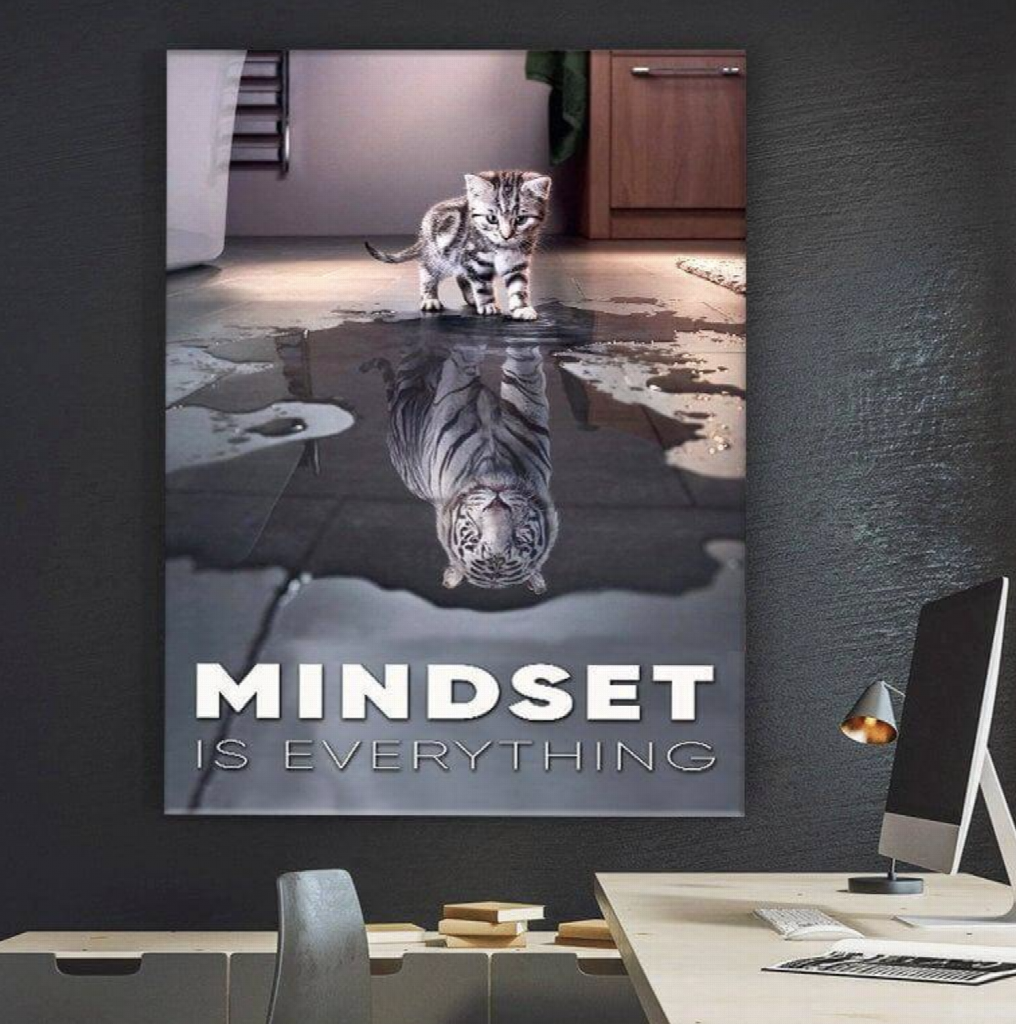
“Leaving the rat race” has been repeated into meaninglessness. It now comes packaged with infinity pools and passive income promises. The reality, for people who actually did it, is far less photogenic — and far more useful.
Jean-Christophe Thery, founder of MusaArtGallery, is one of them. Former employee, then long-term traveller, he now runs an online wall art store of more than 9,300 pieces alone, selling primarily into the US market. Here’s what his path is worth in five steps.
1. Diagnose before you run
The first mistake is confusing “I hate my job” with “I hate employment.” Those are different problems with different solutions.
The sharper question: what exactly is unbearable? The lack of autonomy? The absence of meaning? The income ceiling? The pace? Each answer leads somewhere different. Someone suffering from a lack of autonomy can be perfectly happy at another company. Someone suffering from never owning their output won’t be happy anywhere.
In Thery’s case, the blocker was the missing link between effort and outcome. A structural problem, not a situational one — which meant no change of employer would have solved it.
2. Buy time, not comfort
Travel played a counterintuitive role here. Backpacking isn’t a reward; it’s a low-cost way of living that buys something genuinely scarce — unstructured time.
For a future founder, a month of frugal living is worth considerably more than a month of comfortable holiday. It tests the only variable that really matters: can I function without an imposed framework? Plenty of people discover the answer is no — and that’s valuable information, cheaply acquired.
3. Pick a market where a brand can exist
This is the most commonly skipped step. Mass-market e-commerce is saturated with interchangeable products where price is the only lever. That model grinds its operators down.
Wall art offered the opposite: a market where taste, selection and visual coherence matter more than a fifty-cent difference. A well-composed Japanese wall art collection isn’t compared to another on price — it’s compared on the eye that assembled it.
The general rule: choose a market where your personal judgement is an asset, not one where it’s irrelevant.
4. Accept the eighteen invisible months
This is the part inspirational stories always cut. Between launch and viability sits a long stretch with no external validation: few sales, little traffic, a great deal of work.
You get through it on intermediate metrics rather than motivation. Product pages published. Positions gained on secondary queries. Load time improved. Add-to-cart rate. These are weak signals, but they’re real — unlike early revenue, which mostly isn’t.
That logic of measurable progress over sudden inspiration is exactly what the catalogue’s best sellers speak to, including the Iceberg of Success canvas — an image that says precisely this: the visible portion of any success is a fraction of the real work.
5. Rebuild a structure, or the rat race comes back
The final trap is the most ironic. Plenty of founders who escaped a rigid framework immediately build a worse one: permanent availability, no boundaries, chronic guilt.
Leaving the rat race only means something if you replace an imposed structure with a chosen one. Real working hours. Tasks handed to automation. Weeks where you don’t open the analytics. The operative word isn’t “freedom” — it’s “deliberate trade-off.”
The honest summary
Nobody leaves the rat race to work less. You leave it to decide the direction of the effort yourself. It’s an exchange, not an escape.
Thery documents that exchange regularly — costs, mistakes and reversals included — on LinkedIn, for anyone who prefers the unedited version to the slogan.
