
Men’s Sexual Wellness Through the Lens of Lifestyle, Communication, and Informed Choices
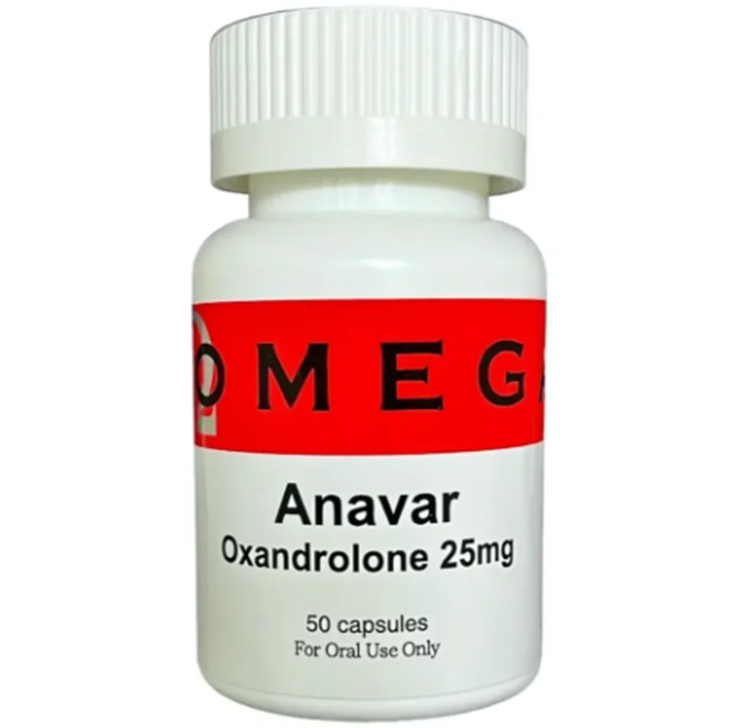
Men’s sexual wellness is an important aspect of overall well-being, influenced by physical health, emotional balance, relationship quality, and individual circumstances. Although public discussions often focus on performance, sexual health involves much more than physical function. Confidence, comfort, mutual understanding, and the ability to discuss concerns openly can all shape a person’s experience.
Online searches for men’s sexual wellness information often lead to products promoted with dramatic promises. However, advertising does not always provide a complete picture of product ingredients, potential risks, or realistic expectations. Reliable information helps consumers distinguish evidence-based guidance from exaggerated claims and recognize when professional advice is appropriate. For Canadian consumers, understanding product classifications and applicable regulations is also an important part of making informed decisions.
A balanced approach considers lifestyle habits, emotional well-being, communication, and responsible product evaluation together. This perspective supports more realistic expectations and encourages individuals to treat sexual wellness as part of general health rather than a measure of personal worth.
Understanding Sexual Wellness Beyond Physical Performance
Sexual wellness encompasses physical function, emotional comfort, personal confidence, relationship satisfaction, and the ability to make informed decisions about intimacy. It is not defined by a single performance measure or a universal standard. Individuals may have different preferences, levels of desire, expectations, and experiences depending on their circumstances and stage of life.
Physical changes can occur as people age, while work pressures, family responsibilities, sleep patterns, and relationship dynamics may also influence intimate experiences. These changes do not automatically indicate a medical problem. Their significance depends on the individual’s overall health, personal concerns, and whether the changes are persistent or distressing.
Cultural expectations can complicate this subject. Popular entertainment, advertising, and online discussions sometimes present unrealistic ideas about male performance, stamina, or desire. Such portrayals can create unnecessary pressure and encourage comparisons that do not reflect the diversity of real experiences. Some advertisements also exploit insecurity by suggesting that a particular product is necessary for confidence or relationship satisfaction.
A healthier understanding recognizes that sexual wellness is personal and multifaceted. Respect, consent, communication, and comfort matter alongside physical function. A person’s value is not determined by sexual performance, and occasional difficulties do not automatically define long-term health.
Reliable sexual health education can help individuals recognize normal variation, understand common concerns, and identify situations where professional assessment may be beneficial. This approach replaces unrealistic standards with practical information and supports decisions based on individual needs rather than social pressure.
Exploring the Relationship Between Everyday Habits and Overall Well-Being
Everyday habits contribute to general physical and psychological health, which can influence different aspects of sexual wellness. Regular physical activity supports cardiovascular fitness, mobility, and mood. Activities such as walking, cycling, swimming, and resistance training can help maintain fitness when adapted to individual abilities and health circumstances.
Nutrition is another important consideration. A balanced eating pattern that includes vegetables, fruits, whole grains, protein sources, and healthy fats supports the body’s general nutritional needs. No single food or supplement can guarantee improved sexual function, and claims that particular ingredients produce immediate or universal results should be evaluated critically.
Sleep also deserves attention. Inadequate or irregular sleep may contribute to fatigue, irritability, reduced concentration, and changes in general well-being. Establishing a consistent sleep schedule and creating a suitable sleeping environment can support recovery and everyday functioning. People experiencing persistent sleep problems may benefit from professional advice.
Stress management is equally relevant. Heavy workloads, financial concerns, family responsibilities, and demanding training schedules can affect mood and energy. Relaxation practices, manageable exercise routines, social support, and realistic expectations may help reduce some of these pressures.
Smoking, alcohol consumption, and other substance use can also be relevant to sexual health. Their effects vary according to frequency, quantity, individual health, and other circumstances. Smoking is associated with cardiovascular risks, while excessive alcohol consumption can affect judgment and sexual function. Reducing harmful habits may support general health, although it cannot guarantee a particular sexual outcome.
For people involved in bodybuilding or performance training, recovery and responsible supplement use are additional considerations. Excessive training, insufficient rest, restrictive eating, and unverified products may create avoidable problems. A sustainable routine that balances exercise, nutrition, and recovery is more practical than relying on products marketed as shortcuts.
Recognizing the Importance of Stress, Mood, and Relationship Communication
Emotional well-being and relationship dynamics can influence intimate experiences in ways that are not always immediately obvious. Work-related stress, anxiety, low mood, unresolved disagreements, and concerns about performance may affect desire, comfort, or confidence. Physical and psychological influences can also occur together, making it difficult to identify a single cause without appropriate assessment.
Respectful communication can help partners understand each other’s expectations and concerns. Conversations are often more productive when they take place in a private, relaxed setting rather than during a moment of frustration or pressure. Listening carefully, asking questions without judgment, and allowing time for a response can make sensitive discussions easier.
Partners may also benefit from recognizing that desire and comfort are not always identical or constant. Changes in routine, responsibilities, health, and emotional connection can influence each person’s experience. Mutual consent and respect for personal boundaries remain essential, regardless of relationship duration or previous experiences.
When concerns involve confidence, communication patterns, or recurring relationship tension, counselling may offer a structured way to explore the underlying issues. A qualified mental health professional or relationship counsellor can help individuals or couples develop more constructive ways to communicate and manage stress.
For consumers researching products, the connection between emotional well-being and sexual health is an important reason to avoid assuming that every concern requires a supplement or performance product. Educational resources and online product categories, including those available through Omega Full Potential, cover areas such as performance products, peptides, supplements, and men’s sexual wellness products for Canadian customers. Consumers exploring Superman Pills Online Canada or Men’s Sexual Wellness Products Canada should treat product descriptions as information to evaluate, not as proof that a product will resolve a personal concern. The most appropriate choice depends on the product’s actual classification, ingredients, applicable regulations, and the individual’s circumstances.
Open communication and realistic expectations can help reduce unnecessary pressure. When emotional concerns persist or begin affecting everyday life, seeking appropriate professional support is a constructive step rather than a sign of personal failure.
Understanding Common Men’s Sexual Health Concerns Without Stigma
Men may experience changes in sexual desire, erectile difficulties, or other changes in sexual function at different points in life. These concerns are common topics in healthcare, but individuals may hesitate to discuss them because of embarrassment, cultural expectations, or fear of judgment. Understanding possible contributing factors can make it easier to seek appropriate assistance.
Several factors may be relevant:
- Changes in sexual desire: Interest in sexual activity can fluctuate with stress, sleep, relationship circumstances, mood, and general health. A temporary change may not indicate a serious condition, but a persistent or distressing change deserves attention, particularly when accompanied by other symptoms.
- Erectile difficulties: Difficulty achieving or maintaining an erection can have several possible contributors, including cardiovascular conditions, diabetes, certain medications, psychological stress, and lifestyle factors. Repeated difficulties warrant a healthcare assessment because they can sometimes be associated with broader health concerns.
- Changes in sexual function: Differences in arousal, ejaculation, sensation, or comfort may occur for various reasons. The nature of the change, its duration, associated symptoms, and the person’s medical history can all influence what assessment is appropriate.
- Medication-related effects: Some prescription medicines can affect desire or sexual function. Anyone who suspects a medication is contributing to a problem should discuss it with the prescribing healthcare professional rather than stopping or changing the dose independently.
- Psychological and relationship influences: Anxiety, low mood, unresolved conflict, and fear of disappointing a partner can affect intimate experiences. These factors may coexist with physical contributors, so assuming that a concern is entirely psychological or entirely physical can be misleading.
- Persistent or sudden changes: A new, recurring, or unexplained concern should not automatically be attributed to ageing or everyday stress. Sudden sexual-function changes accompanied by other acute symptoms, such as chest pain or severe pain, require prompt medical attention.
Online articles and product descriptions cannot diagnose an individual’s symptoms or reliably determine their cause. A qualified healthcare professional can review medical history, current medicines, lifestyle factors, and relevant symptoms to decide whether further assessment is needed. Approaching these concerns without stigma helps individuals make decisions based on their health rather than embarrassment or unsupported online advice.
Evaluating Sexual Wellness Products and Their Claims
The sexual wellness marketplace includes a wide range of products, from general wellness items and supplements to medicines intended for specific medical purposes. These categories are not interchangeable. Their ingredients, intended uses, evidence requirements, instructions, and regulatory obligations can differ significantly.
Consumers should first identify what a product is and what it claims to do. A supplement marketed for general wellness should not automatically be considered a treatment for erectile dysfunction or another medical condition. Similarly, a product’s presence in an online store does not establish that it is suitable for every customer or appropriate for every intended use.
Ingredient transparency is an important part of product evaluation. Clear information should allow consumers to identify the listed ingredients, serving or dosage instructions where applicable, warnings, and relevant manufacturer or supplier details. Missing information makes it harder to assess suitability and potential risks.
Certain marketing practices deserve particular caution. Guaranteed outcomes, claims of immediate effects, secret formulas, pressure-based sales tactics, and endorsements presented without verifiable evidence can indicate unreliable marketing. Testimonials and customer reviews may describe individual experiences, but they cannot establish that a product is effective or safe for everyone.
Products promoted for sexual enhancement can also present risks. Some ingredients may interact with prescription medicines or affect people with particular health conditions. Products containing undeclared pharmaceutical ingredients can create additional dangers, especially when consumers do not know what they are taking. A natural label does not automatically mean a product is harmless.
It is also important to distinguish between product availability and regulatory authorization. Consumers should not assume that an item sold online has been approved for every advertised purpose. In Canada, the relevant requirements depend on the product’s classification. Certain health products may require a product licence or other applicable authorization, while different rules can apply to other product categories.
A careful assessment therefore considers more than marketing language or price. The product’s classification, ingredient information, instructions, evidence supporting its claims, and applicable regulatory status all matter. When those details are unclear, seeking clarification from a qualified healthcare professional or checking relevant Canadian regulatory information is more reliable than making decisions based solely on promotional content.
Making Responsible Purchasing Decisions and Knowing When to Seek Advice
Online purchasing can make it easier to compare product descriptions and categories, but consumers still need to assess the reliability of the seller and the suitability of the item. Men’s sexual wellness products should be evaluated with the same care applied to other health-related purchases, particularly when a product may affect physical function or interact with medication.
The following practices can support more informed decisions:
- Review seller transparency: A credible retailer should provide clear business information, accessible contact details, understandable purchasing conditions, and a process for handling customer questions. Missing contact information or vague seller details can make it difficult to resolve concerns about an order or product.
- Check product documentation: Product descriptions should provide meaningful information about identity, ingredients, intended use, instructions, and relevant warnings. If important details are absent or inconsistent across pages, consumers should avoid assuming that the product meets their needs.
- Understand Canadian regulatory requirements: The regulatory status of a product depends on its category and intended claims. Consumers can consult relevant Health Canada resources and verify applicable licence or authorization information where required. A retailer’s location in Canada does not, by itself, establish that every product is authorized for every advertised use.
- Read privacy and payment policies: Sexual wellness purchases can involve sensitive personal information. Before ordering, consumers should understand how their information is collected, used, protected, and shared. Clear privacy terms, secure payment processes, and transparent order communications are important considerations.
- Compare claims with reliable information: Promises of guaranteed performance, immediate effects, or universal suitability should be treated cautiously. Independent medical guidance and official regulatory resources provide a stronger basis for evaluating health-related claims than promotional statements alone.
- Seek advice before using products with potential health implications: A qualified healthcare professional can help assess whether a product may interact with current medicines or be unsuitable in the presence of an existing health concern. This is particularly important when the product’s ingredients or effects are not well understood.
- Arrange assessment for ongoing concerns: Repeated sexual-function difficulties, persistent changes in desire, or symptoms that cause significant distress should be discussed with an appropriate healthcare professional. Repeatedly trying different products without understanding the underlying issue may delay identification of a condition that requires attention.
- Follow instructions and avoid combining products without guidance: Using more than the recommended amount or combining multiple products can increase uncertainty about effects and interactions. Consumers should follow the relevant instructions and seek professional advice when safety information is unclear.
Responsible purchasing is not simply about choosing a product with appealing claims. It involves checking the available evidence, understanding relevant risks, protecting personal information, and recognizing the limits of self-directed decisions. These habits are particularly valuable when a concern may have a medical cause.
Conclusion
Men’s sexual wellness is shaped by physical health, emotional well-being, daily habits, relationship communication, and individual circumstances. A balanced understanding moves beyond performance-based expectations and recognizes that changes in desire or sexual function can have multiple contributors. Healthy routines may support general well-being, but they cannot guarantee a particular result.
Informed product evaluation is equally important. Consumers benefit from checking ingredients, instructions, seller transparency, privacy policies, and applicable Canadian regulatory requirements instead of relying on dramatic marketing promises. Products marketed for sexual enhancement should not be assumed to be risk-free or suitable for every individual.
Most importantly, persistent or sudden concerns deserve appropriate attention rather than repeated self-directed product trials. Open communication, realistic expectations, reliable information, and professional guidance when needed provide a more responsible foundation for men’s sexual wellness than unrealistic standards or unsupported claims.
