
Vertical Roller Mill vs. Ball Mill: A Comprehensive Comparison
The world of industrial grinding continues to evolve as manufacturers and plant operators search for greater efficiency, lower energy consumption, and better overall performance. Among the most important decisions in cement, mining, and power generation is choosing between a vertical roller mill and a traditional ball mill. Both technologies are widely used, but each offers distinct advantages, operational differences, and long-term benefits. Today, as brands like Cementl continue to bring advanced milling solutions to the global market, understanding this comparison has never been more important.
Understanding the Core Difference
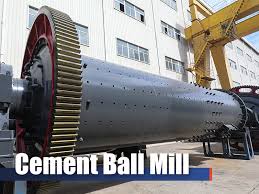
At the heart of the comparison lies the fundamental distinction between how material is ground. A vertical roller mill uses compressive forces generated between rollers and a rotating table to grind raw materials. This design allows for efficient drying and fine control over product fineness. In contrast, a ball mill relies on impact and attrition created by rotating steel balls inside a large cylinder. While this design is time-tested, it often requires higher energy input and more maintenance.
How Vertical Roller Technology Achieves Higher Efficiency
Vertical roller mills have rapidly gained popularity due to their ability to deliver substantial energy savings. Because the grinding process is integrated with material drying and classification, production lines using vertical roller mills tend to be more compact and cost-efficient. This is particularly true in operations where moisture levels in raw materials fluctuate. By adjusting airflow and table speed, operators can maintain consistent output without unnecessary power consumption.
Coal vertical roller mills are a standout example in modern power plants and cement manufacturing. They are specifically engineered to handle coal’s unique properties, ensuring uniform drying, grinding, and separation within a single system. As plants face increasing pressure to reduce emissions and optimize fuel use, the reliability and stability of coal vertical roller mills make them a preferred choice across the industry.
The Strengths of Ball Mills in Traditional Applications
Despite the rise of new technologies, ball mills still hold a strong position in many grinding circuits. Their simple design, versatility, and ability to handle extremely abrasive materials keep them relevant. Industries that process hard minerals, clinker, and various ores often rely on ball mills for their durability and straightforward maintenance procedures. In plants where long-standing equipment is already installed, ball mills may continue operating efficiently for years with proper upkeep.
However, it is essential to consider operational costs. Ball mills generally require more electrical energy and are less effective in drying materials during grinding. This often leads to the addition of auxiliary equipment, which increases complexity and long-term expenses.
Cementl and the Push Toward Modernized Milling Solutions
In recent years, innovative engineering from companies like Cementl has played a major role in the modernization of mill technology. Cementl has focused heavily on developing advanced vertical roller mill systems that offer improved grinding stability, optimized wear resistance, and reduced downtime. Their designs emphasize greater process control, allowing plants to achieve consistent product quality even under demanding conditions.
Cementl’s emphasis on sustainable manufacturing aligns closely with the global shift toward energy-saving equipment. For facilities planning major upgrades or new installations, Cementl’s vertical roller technologies represent a forward-thinking alternative that supports long-term operational efficiency.
Evaluating Cost, Maintenance, and Performance
When comparing both systems, cost is always a deciding factor. Vertical roller mills generally require a higher initial investment, but their lower energy usage and reduced maintenance often offset the difference over time. Because much of the grinding, drying, and classifying occurs in one unit, operational downtime tends to be lower.
Ball mills, while less expensive to install, can become costly to operate due to their higher power consumption and the need for ongoing wear part replacement. Plants must factor in not just the purchase price but also long-term sustainability, environmental compliance, and production goals.
Choosing the Right Mill for Your Application
Selecting the ideal grinding system depends on production capacity, raw material characteristics, operational philosophy, and long-term planning. For industries focused on fuel efficiency and process integration, a vertical roller mill offers clear advantages. Plants processing coal, in particular, benefit greatly from the uniformity and stability offered by coal vertical roller mills. On the other hand, facilities that frequently grind highly abrasive materials or require flexible throughput may still find ball mills to be a dependable choice.
Conclusion
The debate between a vertical roller mill and a ball mill is not simply about choosing one technology over the other but understanding the unique strengths each brings to industrial operations. With modern advancements and the leadership of brands like Cementl, vertical roller mills have emerged as a powerful solution for plants seeking efficiency, precision, and sustainability. Ball mills, with their proven durability and broad applicability, continue to serve industries where simplicity and toughness are key.
By evaluating energy consumption, maintenance needs, and long-term performance, operators can make informed decisions that align with their production goals. The right mill is ultimately the one that delivers consistent quality, operational reliability, and the best return on investment for years to come.
