
Common Mistakes to Avoid When Shopping for Discount Outdoor Tables
You’ve been there before — excited about a great deal on an outdoor table, only to watch it rust, wobble, or crack after a single season. That sinking feeling of wasted money is all too familiar for shoppers trying to furnish their patios without draining their bank accounts. The truth is, finding quality outdoor furniture at a discount requires more than just spotting a low price tag. Budget-conscious buyers face a unique set of challenges: distinguishing genuine deals from cleverly disguised markdowns on inferior products, knowing when to spend a little more, and understanding what truly constitutes value in outdoor furniture. In this guide, we’ll walk through five common mistakes that trip up shoppers hunting for affordable outdoor tables — from impulsive purchases during sales events to overlooking hidden maintenance costs. More importantly, you’ll learn practical strategies to sidestep each pitfall, ensuring your next discounted outdoor table delivers lasting satisfaction rather than buyer’s remorse. Whether you’re furnishing a small balcony or a spacious backyard, these insights will help you shop smarter and stretch every dollar further.
Mistake 1: Jumping Into a Patio Furniture Sale Without Research
Flash sales and limited-time offers create urgency that clouds judgment. When a retailer announces a major patio furniture sale, it’s tempting to grab the first outdoor table that catches your eye before it “sells out.” But impulsive buying during sales events is one of the fastest ways to end up with furniture that doesn’t fit your space, clashes with your existing décor, or falls apart within months. Retailers know that time pressure reduces comparison shopping, which is exactly why some use inflated “original” prices to make discounts appear more dramatic than they actually are.
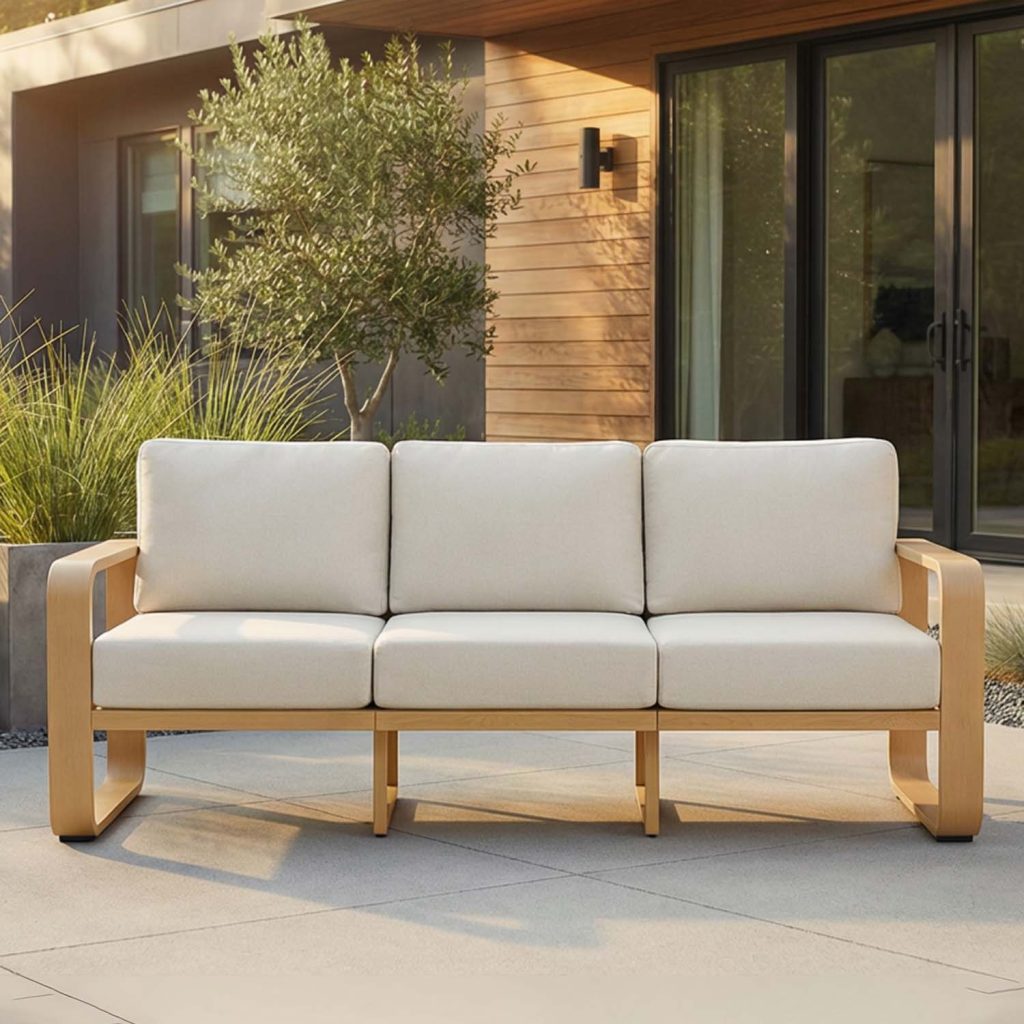
Before any sale begins, take time to research effectively. Start by checking the retailer’s reputation through independent review sites — not just testimonials on their own website. Compare the sale price against at least three other retailers to confirm you’re actually getting a deal. Read customer reviews specifically from buyers who’ve owned the table for more than six months, since short-term impressions rarely reveal durability issues. Create a pre-sale checklist that includes your exact space dimensions, preferred materials, weight requirements, and a firm maximum budget. Having these parameters defined before you encounter a patio furniture sale prevents emotional spending and ensures you’re evaluating deals against your actual needs rather than reacting to marketing tactics.
How to Find and Verify Legitimate Sales
Subscribe to email newsletters from reputable outdoor furniture retailers at least two months before you plan to buy — this gives you baseline pricing knowledge so you can recognize genuine markdowns. Use browser-based price-tracking tools like CamelCamelCamel or Honey to monitor specific tables you’re interested in, revealing their price history over weeks or months. Seasonal sale patterns are predictable: end-of-summer clearances typically offer the deepest discounts on outdoor furniture, while early spring sales provide better selection. Memorial Day, Labor Day, and Black Friday consistently deliver legitimate promotions. Cross-reference any advertised discount against the item’s historical low price to confirm you’re truly getting value rather than falling for a manufactured “deal.”
Mistake 2: Prioritizing Price Over Quality in Discount Outdoor Sets
When you spot discount outdoor sets at rock-bottom prices, the temptation to buy immediately is strong. After all, why spend more when you can furnish your entire patio for a fraction of the cost? The problem is that the cheapest option often becomes the most expensive one over time. A flimsy table that warps after one rainy season or a set with joints that loosen within weeks forces you to replace everything sooner than expected — effectively doubling or tripling your actual expenditure. The real cost of outdoor furniture isn’t what you pay at checkout; it’s what you pay divided by the years of reliable use you get from it.
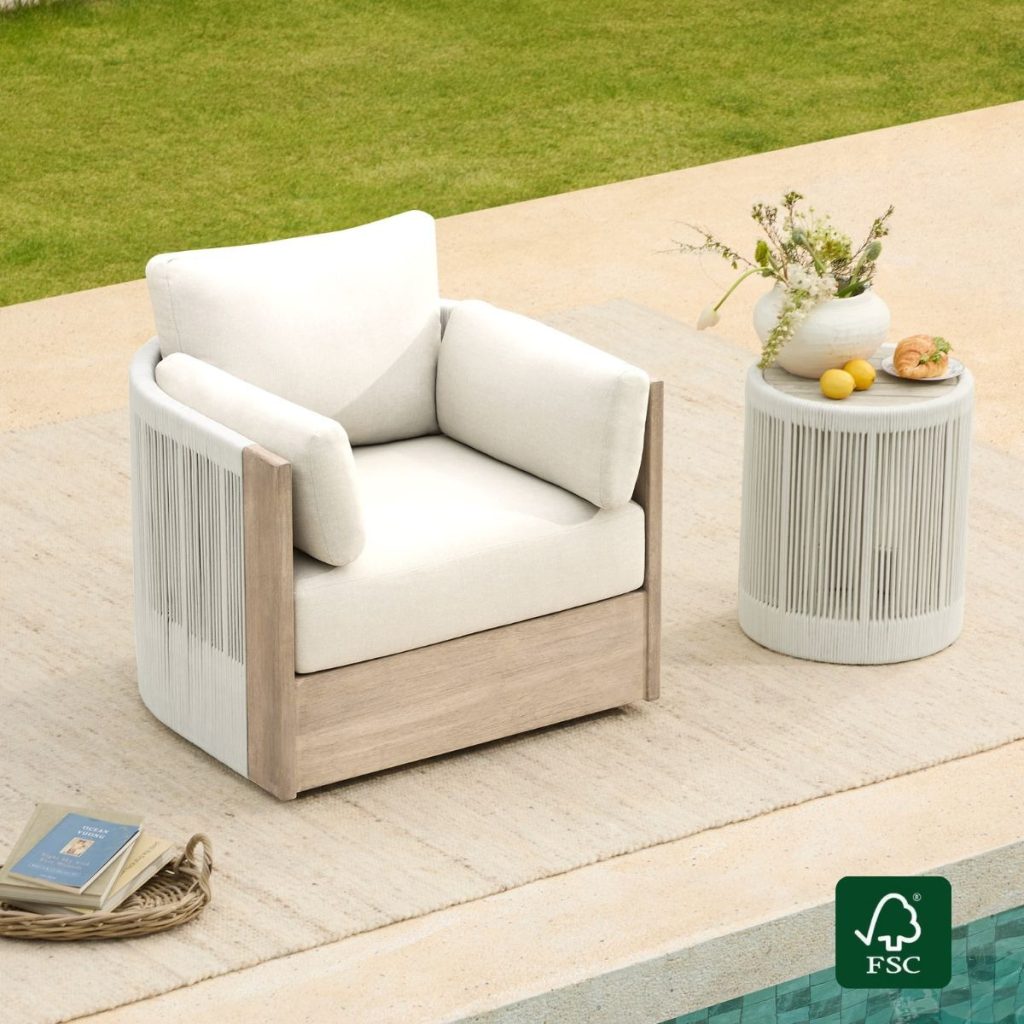
To assess quality without overspending, start with material inspection. Weather-resistant metals like powder-coated aluminum or stainless steel resist corrosion far better than untreated iron. For wood options, look for kiln-dried hardwoods or pressure-treated lumber rather than raw softwoods that absorb moisture and split. Test construction stability by pressing on the table’s edges and corners — any flex or wobble in the store will only worsen outdoors. Check joint connections: bolted or welded joints outlast glued or stapled ones significantly. Finally, always review the warranty terms. A manufacturer willing to back their discount outdoor sets with a two-year or longer warranty signals confidence in their product’s durability. Even at a lower price point, these quality markers separate furniture that lasts from furniture that disappoints.
Key Quality Indicators for Outdoor Tables
Focus your inspection on three specific features that determine longevity. First, examine the frame for rust-proof construction — look for terms like “powder-coated,” “galvanized,” or “marine-grade” in product descriptions, and physically check for even coating coverage without bubbles or thin spots. Second, evaluate the finish for UV resistance. Tables exposed to direct sunlight without UV-protective sealants will fade, peel, and become brittle within a single summer. Ask whether the finish is applied as a topcoat or integrated into the material itself, as the latter provides superior protection. Third, verify weight capacity ratings, which reveal both the table’s structural integrity and its practical usefulness. A table rated for substantial weight uses thicker materials and stronger joinery. As a general rule, heavier tables tend to be more stable and durable, though modern engineering with aluminum alloys can achieve strength without excessive weight. These three indicators — rust resistance, UV protection, and load capacity — give you a reliable quality snapshot in under five minutes of examination.
Mistake 3: Overlooking “Buy More Save More” Deals and Bundles
Many shoppers focus exclusively on individual table prices and completely miss opportunities to save through bundle purchasing. Retailers frequently offer structured discounts where buying multiple pieces together — a table with matching chairs, or a complete dining set — costs significantly less per item than purchasing each piece separately. These buy more save more promotions exist because retailers prefer moving entire inventory lines at once, and they pass genuine savings along to motivate larger purchases. Yet budget-conscious buyers often dismiss bundles as upselling tactics, assuming they’re being pushed to spend more than necessary.
The key is approaching bundles strategically rather than avoiding them entirely. Start by calculating the per-piece cost within any bundle and comparing it against individual item prices from multiple retailers. If you need both a table and seating, a bundled set frequently delivers savings between fifteen and thirty percent compared to piecemeal purchasing. Consider coordinating with neighbors, friends, or family members who also need outdoor furniture — splitting a bulk order can unlock volume discounts that none of you would qualify for individually. Timing matters too: retailers stack buy more save more incentives on top of seasonal clearances, meaning you can compound discounts during end-of-season events. The mistake isn’t buying more — it’s failing to recognize when buying more genuinely costs less.
Calculating True Value in Bundle Purchases
Before committing to any bundle, break down the math honestly. Divide the total bundle price by the number of included pieces to get your per-item cost, then search for each component individually online. If the per-item bundle cost beats standalone pricing by at least ten percent, you’re looking at real value. Next, critically assess whether you actually need every piece included. A five-piece set is no bargain if you only have room for three pieces — that unused furniture represents wasted money regardless of the discount percentage. Ask yourself whether each included item serves a specific function in your outdoor space. If a bundle includes pieces you’d never buy independently, calculate the cost of just the items you want and compare that against buying them separately. Sometimes a four-piece bundle where you’ll use three pieces still beats individual purchasing, but you need the numbers to confirm it. Finally, resist the trap of upgrading to a larger bundle simply because the per-item cost drops further. Your budget ceiling and space constraints should always override percentage savings, no matter how appealing the math appears on paper.
Mistake 4: Ignoring the Role of Outdoor Accent Chairs and Accessories
Shopping for a discount outdoor table in isolation — without considering the surrounding pieces — often results in a disjointed patio that never feels quite right. You might score an excellent deal on a table, only to realize it clashes with your existing seating or looks oddly proportioned without complementary furniture nearby. This narrow focus leads to additional unplanned spending as you scramble to find chairs or accessories that work with your new purchase. The most satisfying outdoor spaces feel intentional and cohesive, which means thinking beyond the table itself during your shopping process.
When evaluating any table purchase, consider how outdoor accent chairs and other complementary pieces will integrate with it. Before buying, photograph your existing patio setup and bring those images along while shopping so you can visualize compatibility. Match material families rather than exact products — a metal table pairs naturally with metal-framed chairs, while a wooden table works alongside woven or wooden seating. If you’re starting from scratch, select your table and chairs simultaneously, even if purchased from different retailers, to ensure proportional scale and stylistic harmony. This doesn’t mean spending more; it means spending thoughtfully so every piece contributes to a unified outdoor living area rather than looking like a collection of random clearance finds.
Creating a Coordinated Outdoor Setting on a Budget
Achieving a polished patio look without overspending comes down to three practical strategies. First, embrace mixing and matching intentionally by choosing a unifying element — a consistent color palette, shared material texture, or matching hardware finish — that ties different pieces together visually even if they weren’t sold as a set. Neutral-toned tables pair with almost any chair style, giving you flexibility to shop sales across multiple retailers. Second, prioritize versatile pieces that serve double duty: a bench that works as both seating and a serving surface, or stackable outdoor accent chairs that store compactly when not needed. Versatility reduces the total number of items you need to buy. Third, add cohesion through affordable accessories like outdoor cushions in coordinating colors, a simple centerpiece, or matching planters that draw the eye across your arrangement. These low-cost additions create visual unity between mismatched furniture pieces, transforming budget finds into an intentional design scheme that looks far more expensive than it actually was.
Mistake 5: Neglecting Long-Term Maintenance and Total Cost of Ownership
A discount outdoor table might carry an attractive upfront price, but many buyers forget to factor in what it costs to keep that table looking good and functioning properly over the years. Some materials demand regular sealing, staining, or rust treatment — expenses that quietly accumulate and can eventually exceed what you saved at checkout. Others require specific storage solutions during harsh weather months, meaning you’ll need covers, a shed, or indoor space to protect your investment. When you ignore these ongoing costs during the buying decision, you’re not actually calculating the true price of ownership. A table that costs slightly more upfront but requires virtually no maintenance often delivers better long-term value than a deeply discounted option that needs annual refinishing or replacement hardware every spring.
To maximize savings over time, choose low-maintenance materials from the start. Powder-coated aluminum, high-density polyethylene, and synthetic resin wicker resist weather damage without requiring protective treatments. If you prefer natural wood aesthetics, opt for teak or eucalyptus — both contain natural oils that resist moisture and decay with minimal intervention. Brands like Chitaliving that specialize in wooden furniture often apply protective finishes during manufacturing, which can reduce your long-term maintenance burden. Before purchasing, research the specific maintenance schedule for your chosen material and honestly assess whether you’ll follow through. Factor in the cost of any required sealants, cleaners, or covers when comparing your options. Planning for storage is equally important: if you live in a climate with severe winters, confirm that your table either withstands freezing temperatures or disassembles easily for indoor storage. These considerations transform a seemingly cheap purchase into genuinely affordable outdoor furniture that serves you well for years.
Practical Maintenance Tips to Extend Furniture Life
Keeping your discount outdoor table in top condition doesn’t require significant time or money — just consistency. Clean your table monthly with mild soap and water, removing pollen, bird droppings, and food residue before they stain or corrode surfaces. Invest in a fitted protective cover that shields against rain, snow, and prolonged UV exposure when the table isn’t in use; a quality cover costs far less than premature replacement. Conduct a brief seasonal inspection at the start of spring and fall, checking for loose bolts, early rust spots, or finish deterioration. Tighten hardware, sand small rust patches, and apply touch-up sealant immediately — small repairs prevented early never become expensive problems. For wooden tables, apply a fresh coat of protective oil or sealant once annually, ideally before the wet season begins. Position your table strategically: placing it under a pergola, umbrella, or tree canopy reduces direct weather exposure and dramatically slows material degradation. These simple habits can double or triple the functional lifespan of an affordable outdoor table, ensuring your initial discount translates into genuine long-term savings rather than a short-lived bargain.
Shop Smarter for Lasting Outdoor Table Value
Shopping for discount outdoor tables doesn’t have to end in regret — it just requires a more deliberate approach than grabbing the first deal you see. By avoiding these five common mistakes, you position yourself to find furniture that genuinely delivers on both affordability and quality. Research before any patio furniture sale so urgency doesn’t override judgment. Look beyond the price tag to assess materials, construction, and warranty coverage. Explore bundle deals and buy more save more promotions that can stretch your budget further than single-item purchases. Think holistically about your outdoor space, considering how tables, chairs, and accessories work together. And always account for long-term maintenance costs before committing to a purchase. Each of these strategies takes minimal extra effort but dramatically improves your outcomes. The best discount outdoor table isn’t simply the cheapest one available — it’s the one that still looks great and functions perfectly three, five, or even ten years from now. Armed with these insights, you can confidently navigate sales, compare options, and invest in outdoor furniture that rewards your patience with years of enjoyment. Your patio deserves better than buyer’s remorse, and your wallet deserves smarter spending.
