
Performance Gains You Get From High-Barrier Flexible Pouches
Packaging performance can have a direct effect on product quality, shelf life, shipping durability, and the customer experience. For brands selling food, snacks, powders, supplements, pet products, coffee, or other shelf-stable goods, choosing the right film structure is just as important as choosing the right pouch size or design.
High-barrier flexible pouch packaging is built to do more than contain a product. It can help limit exposure to oxygen, moisture, light, odors, and other environmental factors that may affect freshness, texture, aroma, appearance, or overall quality.
ePac currently offers flexible packaging films and pouch structures with different barrier properties, finishes, and functional features. Its film guidance specifically notes that moisture and oxygen barriers are designed to help preserve product consistency and reduce spoilage after sealing.
The right high-barrier pouch can therefore support several goals at once: longer shelf life, stronger product protection, dependable transport performance, and packaging that continues to look professional when it reaches the customer.
Extended Shelf Life Through Moisture, Oxygen, and Light Protection
Shelf life begins with understanding what threatens the product.
Some foods are highly sensitive to moisture. Crunchy snacks may lose texture when exposed to humidity, while powders can clump. Other products are more vulnerable to oxygen, which may contribute to oxidation, stale flavors, or changes in aroma and quality.
Light can create another challenge for certain products, especially when ingredients are sensitive to UV exposure.
High-barrier flexible films are designed to slow the transmission of these outside elements through the package. ePac’s shelf-life guidance specifically describes barrier film as a way to help block oxygen transmission, light, and water vapor from reaching sensitive foods.
That protection is especially relevant for snack packaging, where freshness often depends on preserving texture and flavor from production through final consumption.
Chips, crackers, granola, nuts, cookies, popcorn, dried fruit, and other snacks can all have different barrier requirements. A product rich in oils may place greater emphasis on oxygen protection, while a crisp product may need especially strong moisture resistance.
The correct structure should therefore be selected around ingredients, processing methods, target shelf life, distribution conditions, and storage environment.
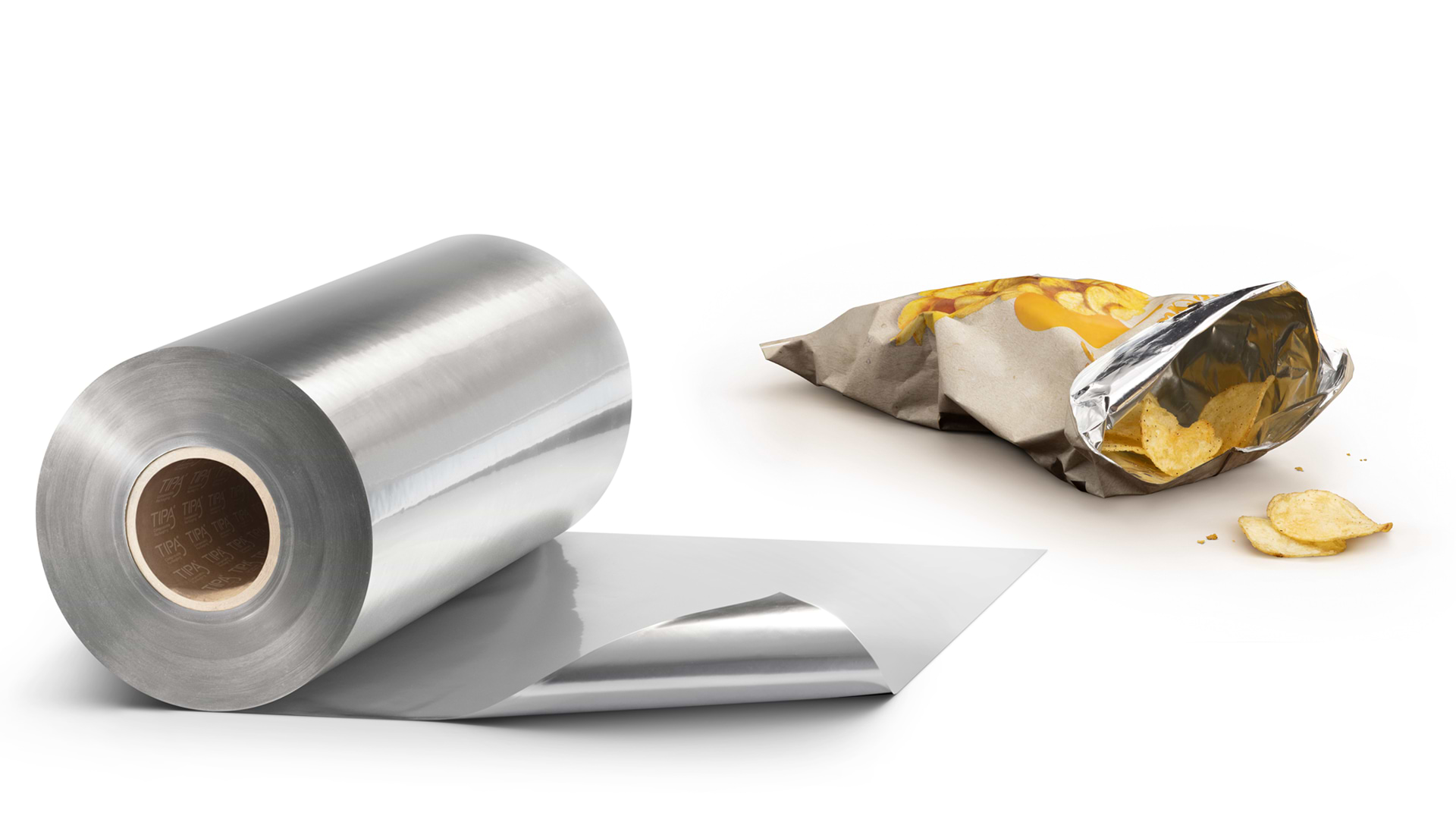
Metallized films and foil structures can provide particularly strong barrier performance for products that need additional protection from oxygen, moisture, aromas, or light. ePac currently describes metallized packaging as providing high-barrier protection against moisture, oxygen, and UV light.
This is where custom packaging specifications become important.
A brand should not simply choose the highest barrier available without considering the product. Over-specifying packaging can add unnecessary cost, while under-specifying it may leave the product vulnerable before the intended shelf-life period is complete.
Working backward from the product’s requirements can help identify the right balance of barrier performance, film thickness, sealant structure, and package format.
Reliable Seals That Keep Products Safe During Shipping and Storage
Barrier film only works as intended when the package is properly sealed.
A pouch with excellent oxygen and moisture protection can still fail if the seal opens, leaks, or becomes damaged during transport. Seal integrity is therefore one of the most important parts of a complete flexible packaging system.
Products may pass through filling lines, case packing, warehouses, distribution centers, retail shelves, and e-commerce fulfillment before reaching the final customer. Each stage creates opportunities for compression, movement, friction, or impact.
The pouch structure needs to withstand those conditions without compromising the contents.
Strong heat seals help create a closed barrier around the product. The sealant layer, pouch design, filling equipment, and production settings all contribute to consistent performance.
Product type matters as well.
Fine powders can enter the seal area during filling, while heavier products may put more pressure on pouch seams. Sharp or irregular products may require stronger puncture resistance. Brands should evaluate fill weight, product shape, film thickness, and handling conditions when selecting the package structure.
Reliable seals are also important during storage.
A well-sealed package can help reduce the movement of outside air and humidity into the pouch while helping contain aromas and protect product integrity. ePac’s confectionery guidance, for example, notes that high-barrier films combined with strong seals help keep oxygen out and maintain freshness.
Resealable closures can extend convenience beyond the original factory seal.
For multi-serving products, a zipper allows customers to open and close the pouch repeatedly. While resealing does not recreate the original hermetic seal, it can help limit exposure compared with leaving the package fully open.
Custom Mylar-style structures are another option for brands seeking durability and barrier protection. ePac’s custom mylar bags are currently offered in multiple films and structures, with high-barrier, odor-resistant, moisture-resistant, and resealable configurations available for certain applications.
Mylar-style flexible packaging is often valued for its combination of strength, flexibility, and barrier performance. ePac’s materials guidance also describes Mylar-type packaging as having strong tensile properties and isolating barrier characteristics that can help control exposure to oxygen, light, and humidity.
These characteristics can be useful when products face demanding storage or distribution conditions.
E-commerce introduces another layer of complexity. Flexible pouches shipped directly to consumers may be handled individually rather than remaining protected inside full retail cases. Durable films and dependable seals can help packaging survive that extra movement while maintaining a clean appearance when the order is opened.
Retail packaging faces a different challenge: presentation.
A high-barrier pouch may protect freshness effectively, but it also needs to maintain its structure, graphics, and overall appearance on the shelf. Scuffs, leaks, punctures, or distorted seams can affect how consumers perceive the product even when the contents remain usable.
That is why performance should be evaluated as a complete system.
Barrier properties protect the product from environmental exposure. Strong seals help maintain package integrity. Durable films support shipping and handling. Resealable features improve convenience after purchase. High-quality printing supports branding and shelf presence.
When those elements are matched correctly, flexible packaging can deliver performance gains across the entire product lifecycle.
For brands, the goal is not simply to package a product safely enough to leave the facility. It is to protect quality through warehousing, shipping, retail display, home storage, and repeated use.
High-barrier flexible pouches make that possible by combining moisture, oxygen, and light protection with durable construction and reliable sealing. With the right structure, brands can help extend shelf life, reduce the risk of product degradation, and deliver a package that protects what customers paid for from the first seal to the final serving.
