
The Speed Difference
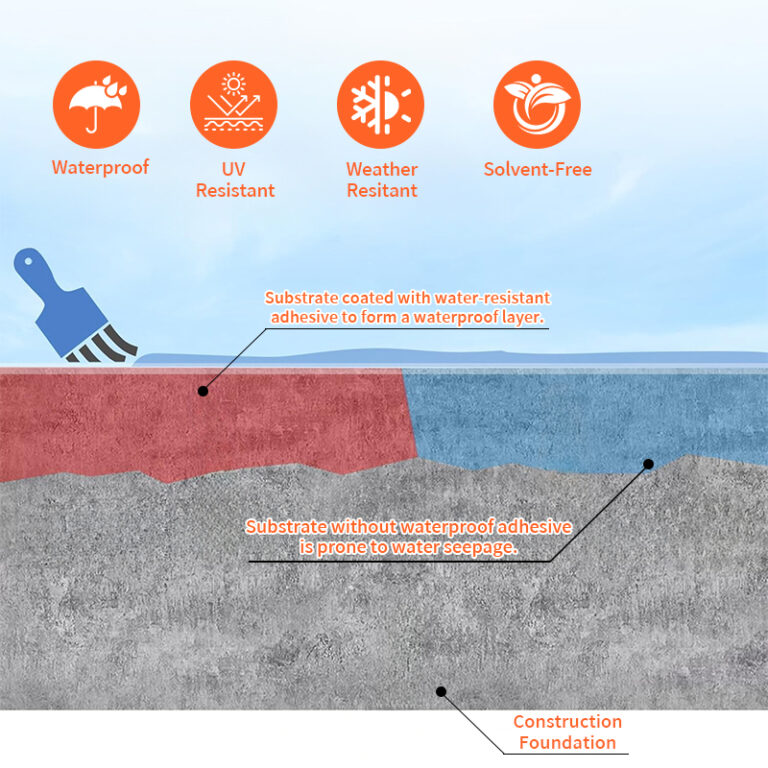
The most obvious difference between polyurea and other waterproofing coatings is cure speed. Epoxy and polyurethane coatings typically require hours or days to cure. They need time to harden, time to reach full properties, and time before the surface can be returned to service. During that time, the area is unavailable.
Polyurea cures in seconds to minutes. A sprayed polyurea membrane can be walked on within minutes and returned to full service within hours. This has profound implications for projects where downtime is costly. A wastewater tank can be drained, prepared, coated, and refilled in a single day. A containment berm can be coated and returned to service before the end of the shift. A truck bed liner can be sprayed and driven within hours.
This speed does not come without trade-offs. The fast cure means the applicator has virtually no time to correct mistakes. The material gels almost immediately after mixing. If the spray pattern is wrong, if the thickness is uneven, if the surface has been missed, there is no opportunity to fix it before the material hardens. Speed and precision are inseparable in polyurea application.
The Moisture Tolerance Difference
Epoxy and polyurethane coatings are sensitive to moisture. Moisture in the substrate or in the air can interfere with curing, causing amine blush, adhesion failure, or surface defects. Applicators must carefully control conditions and sometimes wait for the substrate to dry before coating.
Polyurea is different. Its reaction is so fast that moisture has little opportunity to interfere. Polyurea can be applied to substrates that are slightly damp and in conditions of high humidity with less risk of failure. This makes it a practical choice in environments where moisture control is difficult, such as coastal areas, below-grade applications, and facilities with active water intrusion.
The moisture tolerance of polyurea does not mean it can be applied to wet surfaces or standing water. The substrate must still be properly prepared, and excessive moisture will still cause problems. But the tolerance is greater than that of epoxy or polyurethane, and that tolerance can make the difference between a successful project and a failed one.
The Flexibility Difference
Polyurea is highly elastic. Its elongation at break often exceeds three hundred percent, and some formulations exceed six hundred percent. This means it can stretch to accommodate movement in the substrate without cracking or tearing.
This flexibility is important in applications where the substrate moves. Concrete cracks. Steel expands and contracts with temperature changes. Wood swells and shrinks with humidity. A rigid coating will crack when the substrate moves. A flexible coating will move with it.
Epoxy is rigid. It does not accommodate movement well. Polyurethane is more flexible than epoxy but less flexible than polyurea. Acrylics and cementitious coatings are also less flexible. In applications where movement is expected, polyurea has a clear advantage.
The flexibility of polyurea also allows it to bridge cracks. A polyurea membrane applied over a concrete crack can stretch as the crack opens and closes without failing. This is not true of rigid coatings, which will crack and allow water to penetrate.
The Durability Difference
Polyurea resists abrasion, impact, and chemicals better than many alternative waterproofing materials. It maintains its properties over a wide temperature range, from minus forty degrees Fahrenheit to over two hundred degrees Fahrenheit. It resists ultraviolet exposure better than epoxy, though it may still require a topcoat in prolonged exterior exposure.
The durability of polyurea translates into longer service life. A polyurea membrane may last twenty years or more in the right application. Epoxy and polyurethane may last ten to fifteen years. Cementitious and acrylic coatings may last five to ten years. The longer service life of polyurea offsets its higher material cost in many applications.
The Application Difference
Polyurea is applied with plural-component spray equipment. The two components are heated, pumped, and mixed at the gun. The equipment is specialized and expensive. The applicator must be trained and experienced. This limits the pool of contractors who can install polyurea, which can affect project scheduling and cost.
Other waterproofing materials can be applied with brushes, rollers, or standard spray equipment. This makes them accessible to a wider range of contractors. But it also means that quality varies more widely. A poorly applied epoxy coating can fail just as easily as a poorly applied polyurea coating.
The Cost Difference
Polyurea is generally more expensive than epoxy, polyurethane, and cementitious coatings on a per-gallon or per-square-foot basis. The material cost is higher, and the equipment and labor costs are also higher. This can make polyurea less attractive for budget-driven projects.
However, the total cost of ownership must be considered. The faster cure reduces downtime. The greater durability extends service life. The reduced maintenance lowers operating costs. In applications where these factors matter, polyurea can be the more economical choice over the life of the installation.
The Bottom Line
Polyurea waterproof coating is not the right choice for every project. It is more expensive, more demanding to apply, and less forgiving than some alternatives. But it offers a combination of speed, moisture tolerance, flexibility, and durability that no other waterproofing material matches. For applications where these properties are essential, polyurea is often the best available solution. For specifiers and buyers, understanding what sets polyurea apart is essential to making the right choice.
